
Discovery & Research
Website Development Strategy Services
IT Monks turns customer insights and business goals into a clear website strategy, aligning marketing and technical teams before design begins.
Trusted by 160+ clients, from high-growth startups to Fortune 500 companies.








Website Planning Blockers We Help You Resolve
Research gaps, competing priorities, and unclear requirements can derail a website project before design even starts. We help surface these issues early and give the project a stronger strategic foundation.
Website Decisions Made Without Research
When assumptions replace customer and business research, important requirements often surface only after design or development has started.
Teams Disagree on Website Priorities
Marketing, sales, and technical teams may enter the project with different goals, making approvals slower and direction harder to maintain.
Unclear Understanding of Your Ideal Customers
If the audience is not clearly defined, the website can end up reflecting internal assumptions instead of what customers actually need.
Limited Insight Into Your Market and Competitors
A narrow view of the competitive landscape makes it difficult to define where the website should differentiate and what customers expect to see.
No Clear Website Content Strategy
Without a defined content direction, teams often enter design without knowing what each page needs to communicate or achieve.
Misunderstood Technical Requirements
Technical assumptions made early can shape the wrong solution, forcing the project to adjust once real system needs become clear.
Website Strategy and Research Solutions
IT Monks helps your marketing team decide what the website needs to achieve before design begins, so budget and effort go toward the right priorities.

Website Audit
We assess the current website to uncover what should be kept, improved, removed, or reconsidered before planning the new structure.

Market Research and Positioning
Customer expectations and market dynamics shape a clearer position for the website and the role it should play in the buying journey.

Competitor Website Research
Comparing how competitors present their offer reveals where your website can differentiate rather than follow the same patterns.

Website and Customer Data Analysis
Analytics and user behavior turn assumptions into evidence, helping the project reflect how people actually find, explore, and use the site.

Website Project Planning and Handoff
Research is translated into a practical roadmap that gives design and development teams a clear direction for execution.
Our Website Development Strategy Results
30+
Website Strategies Delivered
Clear planning gives design and development teams a stronger foundation before execution begins.
25%
Shorter Website Project Timelines
Earlier decisions around scope and priorities help projects move through design and development with fewer delays.
92%
Less Development Rework
Better-defined requirements reduce late-stage changes and keep development focused on the approved direction.
50%
Reduction in Total Project Budget
Resolving major decisions before development helps avoid unnecessary features, repeated work, and unexpected project costs.
The Benefits of Planning Your Website With IT Monks
IT Monks helps your marketing team agree on website priorities early, so design and development move forward with fewer revisions and better control over scope, timing, and cost.

Clear Website Development Scope
A documented scope defines what the project includes before work begins, reducing ambiguity once design and development are underway.

Research-Based Development Priorities
Customer and market insights help separate essential requirements from ideas that can wait, keeping effort focused where it matters most.

Unified Website Goals Across Departments
Early alignment gives marketing, sales, and technical teams one shared direction for the website and the outcomes it needs to support.

Technology Matched to Website Requirements
Technical decisions are based on how the website needs to function, avoiding tools or architecture that add unnecessary complexity.

More Predictable Development Costs
Resolving major requirements before development makes estimates more accurate and reduces the risk of unexpected scope changes.

Realistic Project Timelines
Planning dependencies and approval stages in advance creates a schedule that reflects the actual work required.

Less Rework During Development
Decisions made during strategy prevent avoidable changes later, helping developers build against requirements that have already been validated.

Smoother Transition From Planning to Development
Research findings and project requirements are handed over in a usable format, giving the delivery team what it needs to start without repeating discovery.

How We Do Website Strategy and Research
-
Step 1
Understand Your Business and Goals
We clarify business priorities, positioning, audiences, and website goals so the strategy starts with a shared direction.
-
Step 2
Audit Your Website and Research Opportunities
The current website and competitive landscape are reviewed to uncover gaps, risks, and opportunities before recommendations are made.
-
Step 3
Build the Website Execution Plan
Research is translated into a practical roadmap covering scope, priorities, requirements, and next steps for design and development.

-
“IT Monks delivered a complex, multilingual website across 9 languages with a strong focus on SEO, performance, and scalability, completing the project on time and within budget. Their communication was clear and proactive, with well-structured project management and realistic milestones consistently met. Most impressively, the team demonstrated deep expertise in modern web development and SEO, translating business goals into a high-performing digital platform.”


-

-
“Outstanding service and professionalism from the team at IT Monks. The best agency I can remember working with. Great value for money and these guys really know what they are talking about. In terms of the all-important results? They exceeded all expectations.”


-

Tech stack
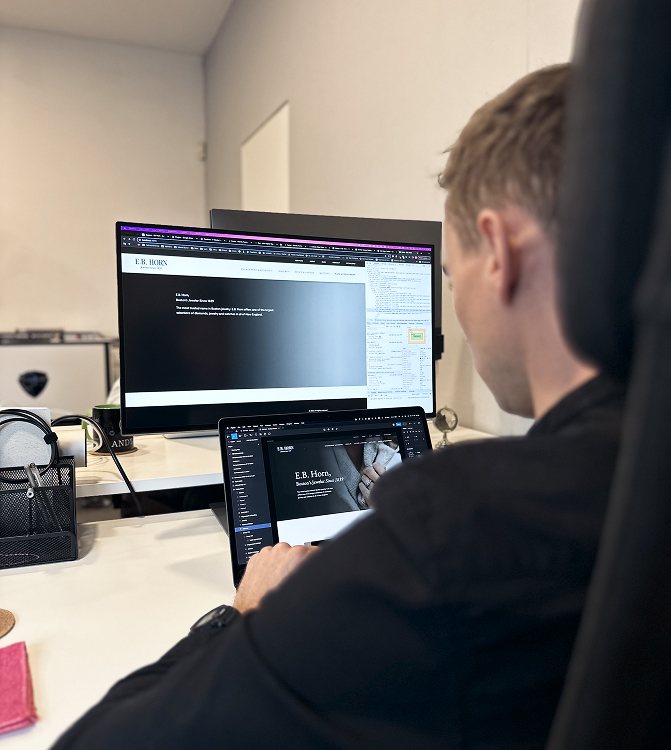
We work with GA4, Search Console, Figma, FigJam, and research tools to validate assumptions, map user behavior, and document decisions before design starts.


Meet Your Research Team
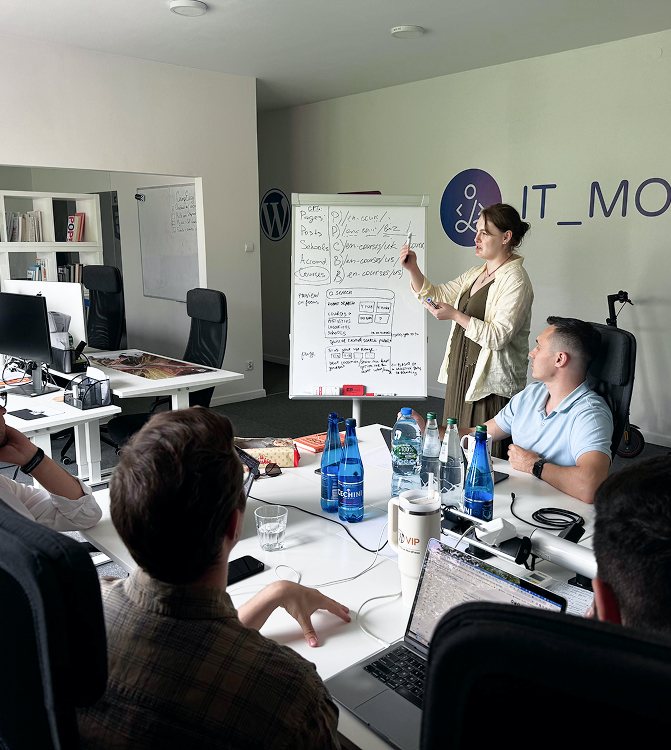
Website strategy is shaped collaboratively by researchers, UX/UI designers, marketers, developers, QA specialists, and Project Managers, bringing business, customer, and technical perspectives into one plan.





FAQs
Get answers to common questions about our process, timelines, and collaboration.
Do we need a website strategy if we already have a project brief?
Not always. If the brief is detailed, we can start with a focused brief review, compare it with technical and business requirements, and identify any gaps before development begins.
Should we improve our existing website or rebuild it?
That depends on how well the current website supports your day-to-day operations, marketing goals, and future requirements. We can assess the existing setup and use our dedicated evaluation tool to help determine which option makes more sense.
What if we have little customer research or unreliable website data?
The strategy can still move forward. In that case, competitor research, stakeholder interviews, market data, and qualitative insights play a larger role in validating assumptions.
Should we choose a CMS before developing the website strategy?
Usually, no. Platform decisions should follow the website requirements, not define them. The strategy helps clarify what the CMS needs to support before a technology is selected.
Does website content need to be planned before design begins?
Yes. Content priorities and page requirements should be clear enough to guide structure, hierarchy, and user journeys before visual design starts.
Can one website serve several different customer groups?
Yes, as long as each audience has a clear path through the site. The strategy defines how different segments find relevant content without making the overall experience confusing.
How do we stop new requests from constantly expanding the project scope?
A documented scope, agreed priorities, and a clear change process make new requests easier to evaluate. Anything outside the approved plan can then be scheduled separately instead of disrupting the current project.