
UI/UX Design
WordPress Website Design Services
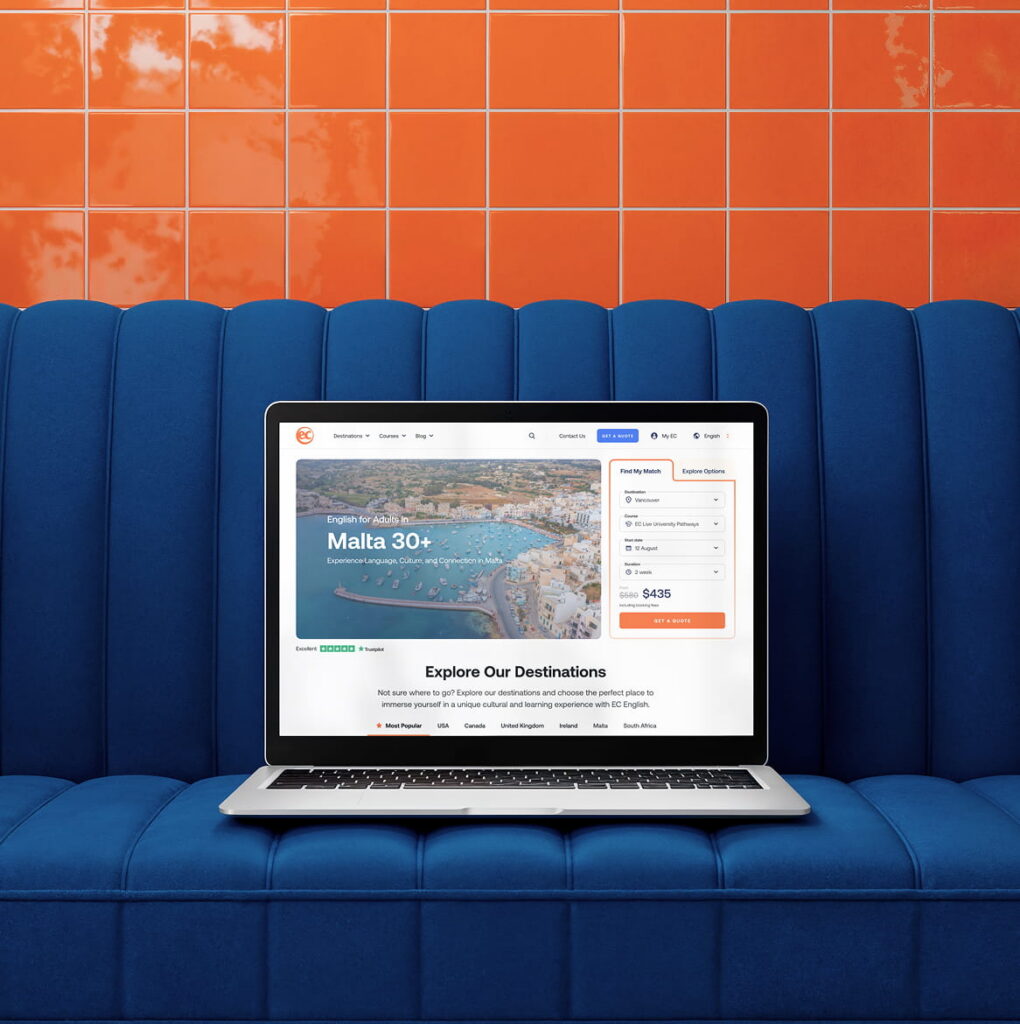
We design WordPress websites that strengthen your brand, support conversion, and give marketing teams more flexibility to grow.
Trusted by 160+ clients, from high-growth startups to Fortune 500 companies.








Design problems we help you solve
With 15+ years of WordPress experience, we know where design starts getting in the way of clarity, conversion, and growth.
Inconsistent Brand Identity
Your website doesn’t match the brand customers know, reducing consistency and trust.
Confusing Navigation
Visitors struggle to find the right content, product, or next step quickly.
Low Conversion Rate
Traffic reaches the site, but weak hierarchy and unclear CTAs fail to turn visitors into leads or customers.
Unclear Positioning
Your website doesn’t clearly communicate what you offer, who it’s for, or what sets you apart.
Poor Mobile Experience
Your website is harder to navigate, read, and use on mobile, causing visitors to drop off before taking action.
The cost of waiting
One point of conversion is sitting on the table.
2,400
Monthly sessions
1.6%
Current conversion rate
$2,900
Average deal value
$835,000
a year is what a single percentage point is worth to you.
Visitors landing on your site

WordPress Design Solutions
We bring together strategy, UX, UI, and testing to create a clear, high-performing website your team can easily manage.
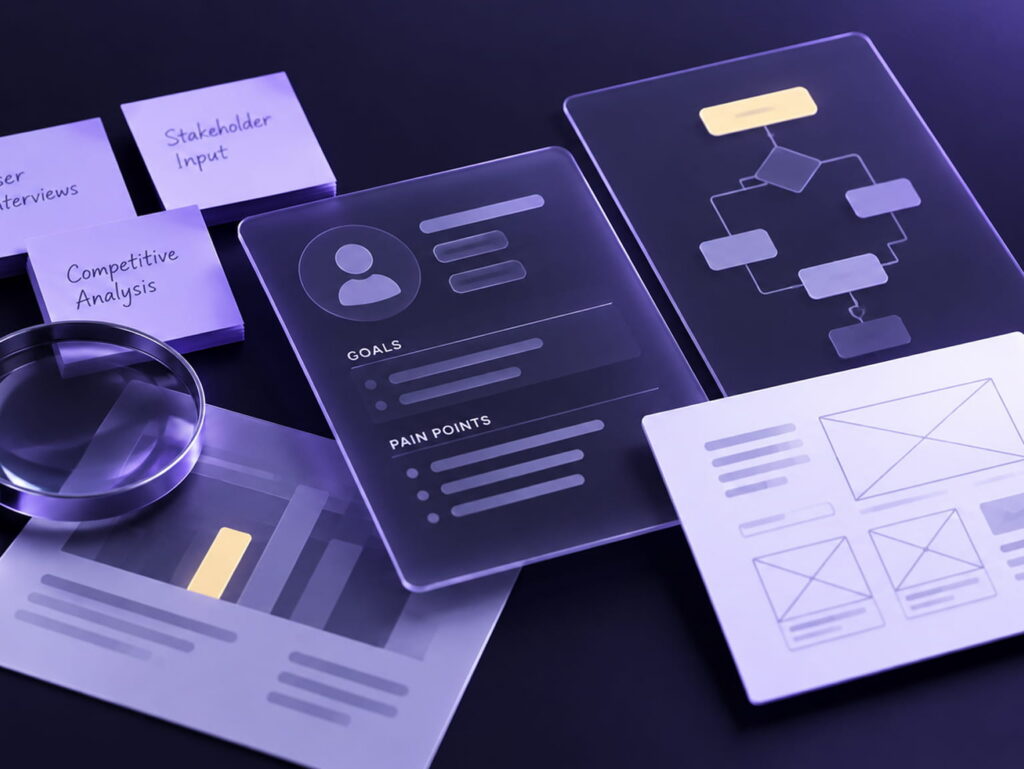
Research and Discovery
We study users, business goals, content, data, and competitors to set clear design priorities.
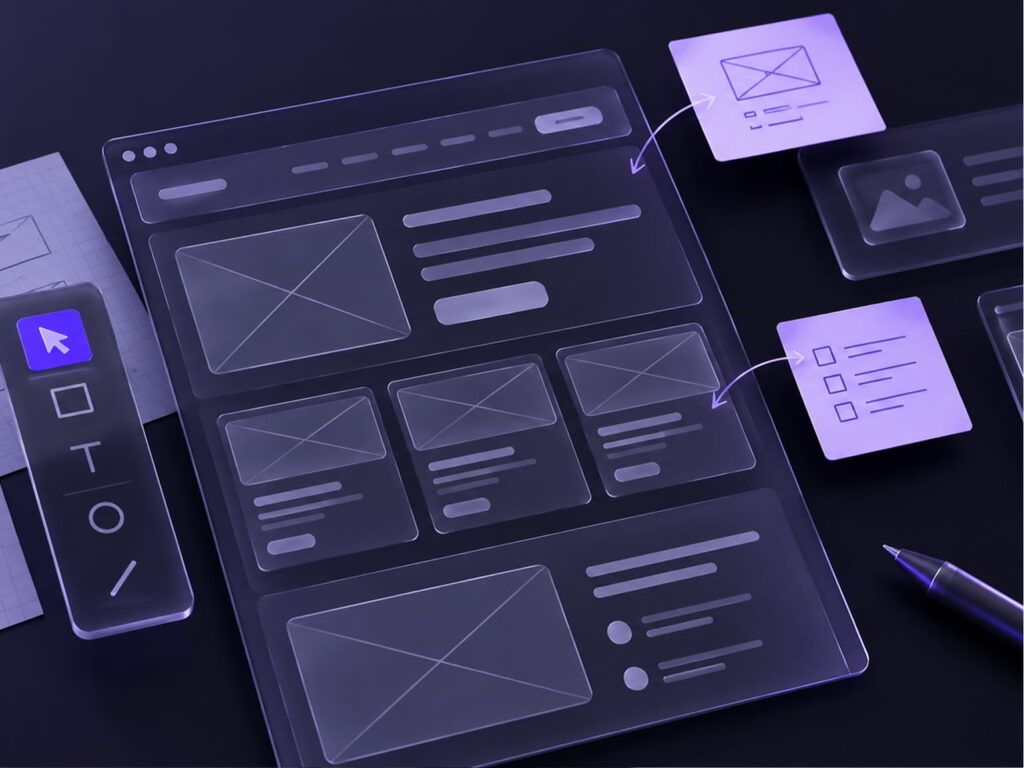
Wireframing
Page layouts and user journeys are mapped before visual design, giving every section a clear purpose.
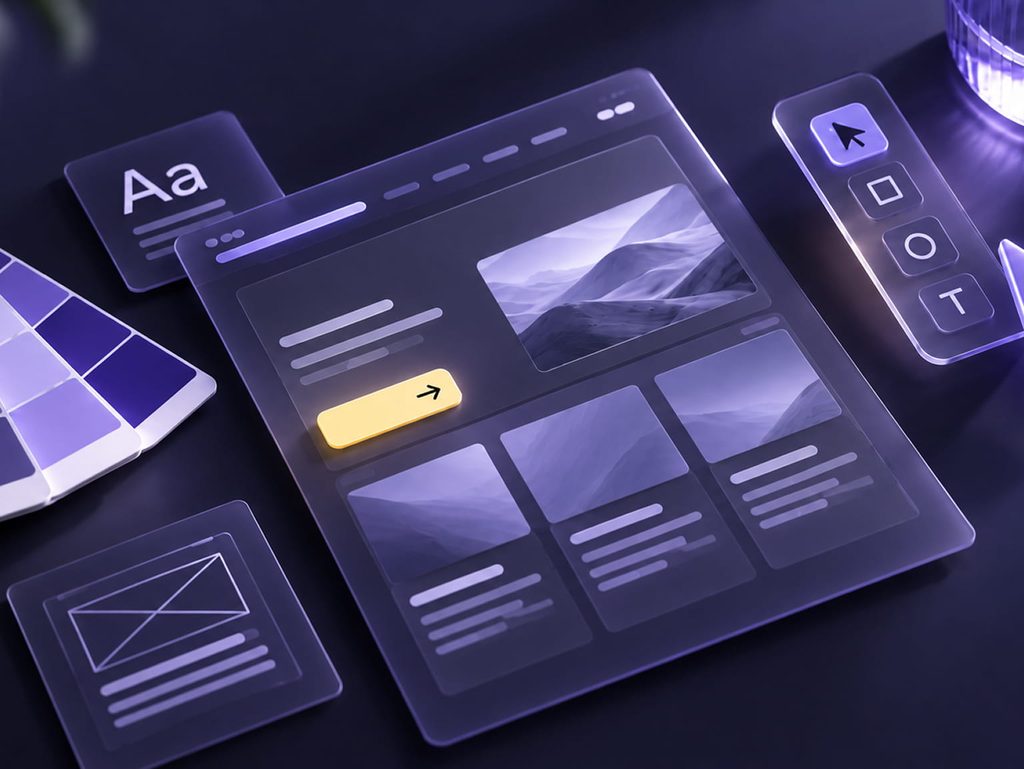
Interface Design
The approved structure becomes a branded, responsive interface that guides users toward key actions.
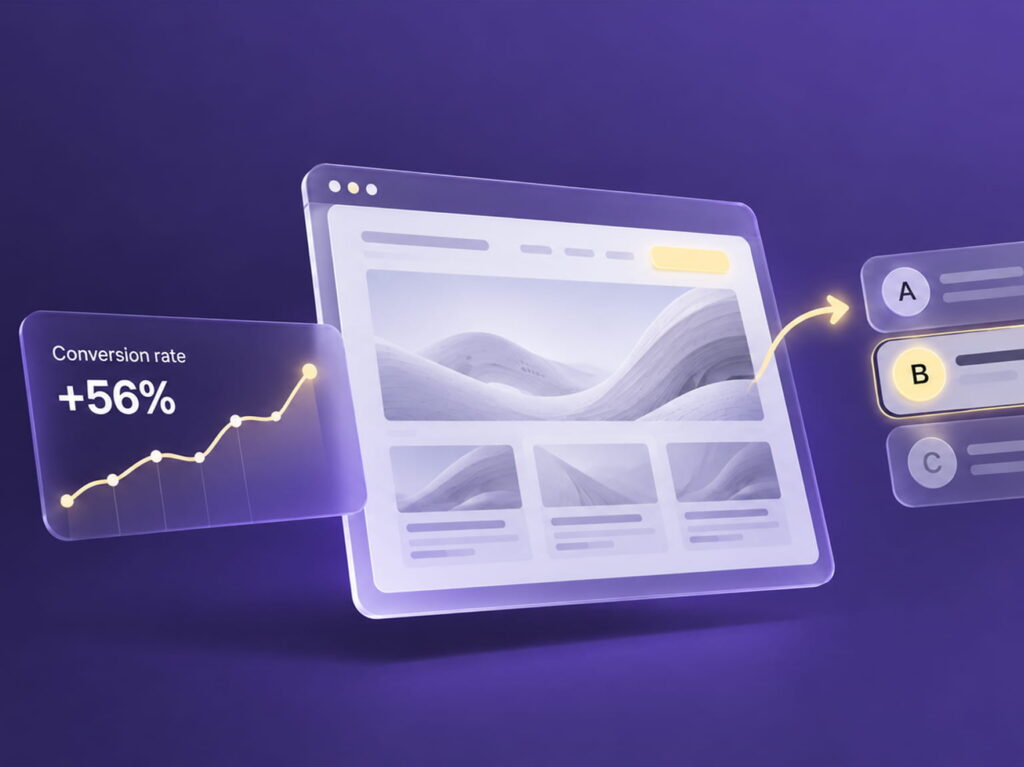
Conversion Optimization
Layouts, CTAs, forms, and content hierarchy are refined to help more visitors convert.
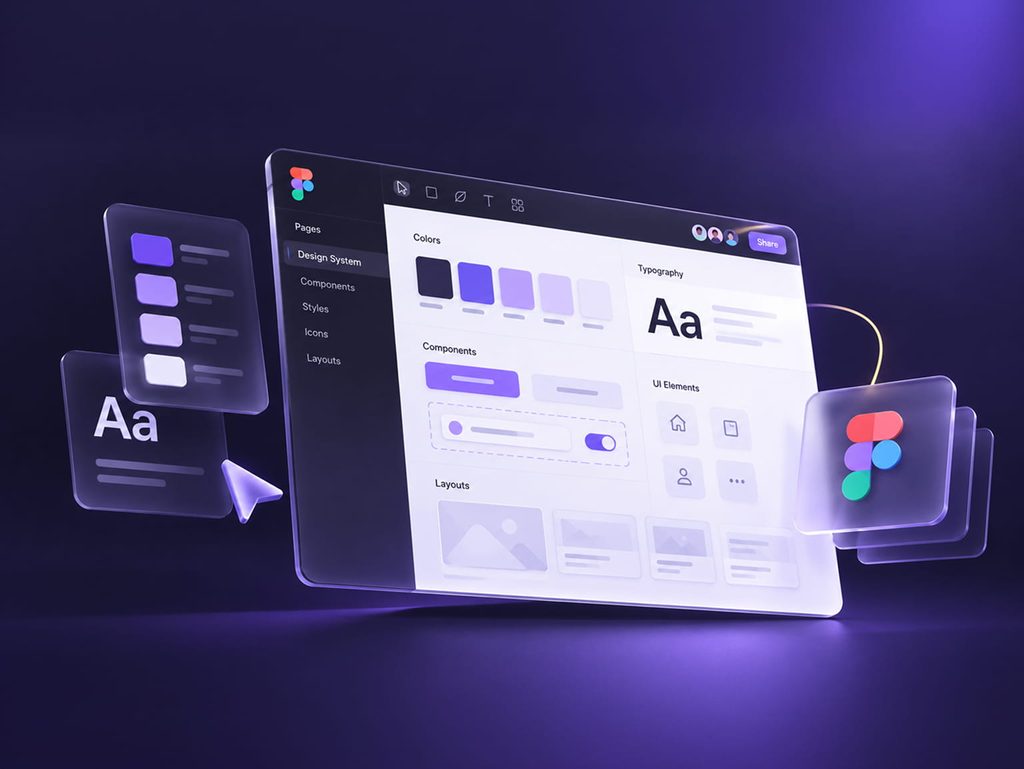
Design System
Reusable components and design rules keep new pages consistent and quick to create.

User testing
We test key user journeys before development and refine the design based on real feedback.
Our WordPress Website Design Results
940+
Projects completed
WordPress sites delivered for teams that need faster launches and easier day-to-day management.
90%+
client retention
Long-term partnerships built around measurable website improvements.
44.5%
average CR increase
Stronger UX and UI help marketing teams turn more visitors into leads and customers.
250%
average ROI increase
More effective pages help businesses get greater value from their traffic and marketing spend.
Why Choose IT Monks for Your
Website Design?
We design around how your business sells, helping customers act and giving your team more control.

Design Built for Lead Generation
We shape layouts, CTAs, and user flows around conversion goals to turn more traffic into leads.

Reusable Components for New Pages
Reusable sections let your team build and launch new pages quickly without starting from scratch.

Brand Consistency Across Your Website
A shared design system keeps every page aligned with your brand as the website grows.

Visuals That Strengthen Your Message
We create layouts, visuals, and hierarchy that make key messages clearer and more persuasive.

Page Structure That Supports SEO/GEO
Clear page structure helps search engines and AI systems understand your content and key topics.

Usability Tested Before Development
We test key journeys early and refine the design based on real user feedback.

Flexible Layouts for A/B Testing
Modular layouts let your team create variations, test ideas, and update pages without developers.

One Team for Design and Development
Designers and developers work together from the start, keeping the approved design aligned with the final build.

How We Design Your Website
-
Step 1
Discovery, Research, and Architecture
We analyze goals, users, content, competitors, and site structure to shape the direction before design starts.
-
Step 2
Wireframing, Testing, and Ideation
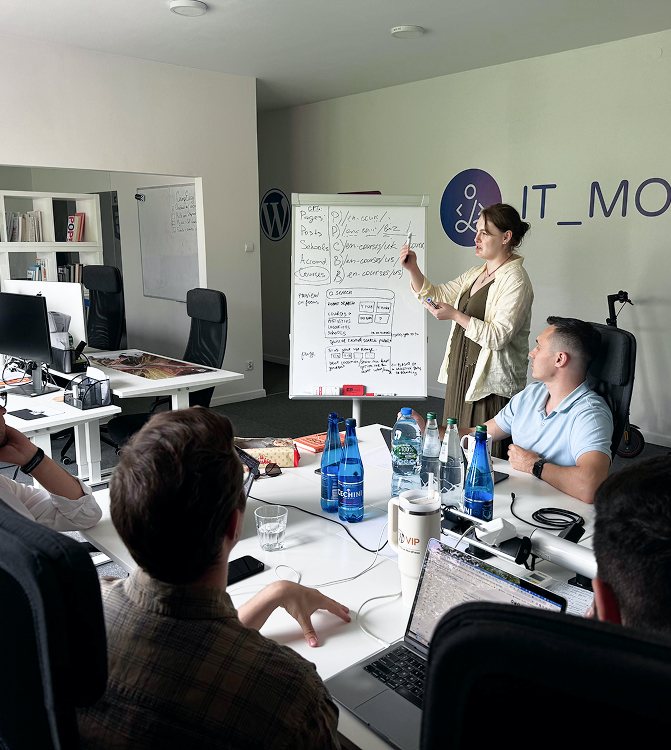
Research insights turn into page concepts, tested ideas, and refined wireframes before visual design begins.
-
Step 3
Final UI and Visual Refinement
Approved wireframes become polished interfaces with final styling, details, and responsive states ready for development.
-
“IT Monks delivered a complex, multilingual website across 9 languages with a strong focus on SEO, performance, and scalability, completing the project on time and within budget. Their communication was clear and proactive, with well-structured project management and realistic milestones consistently met. Most impressively, the team demonstrated deep expertise in modern web development and SEO, translating business goals into a high-performing digital platform.”


-
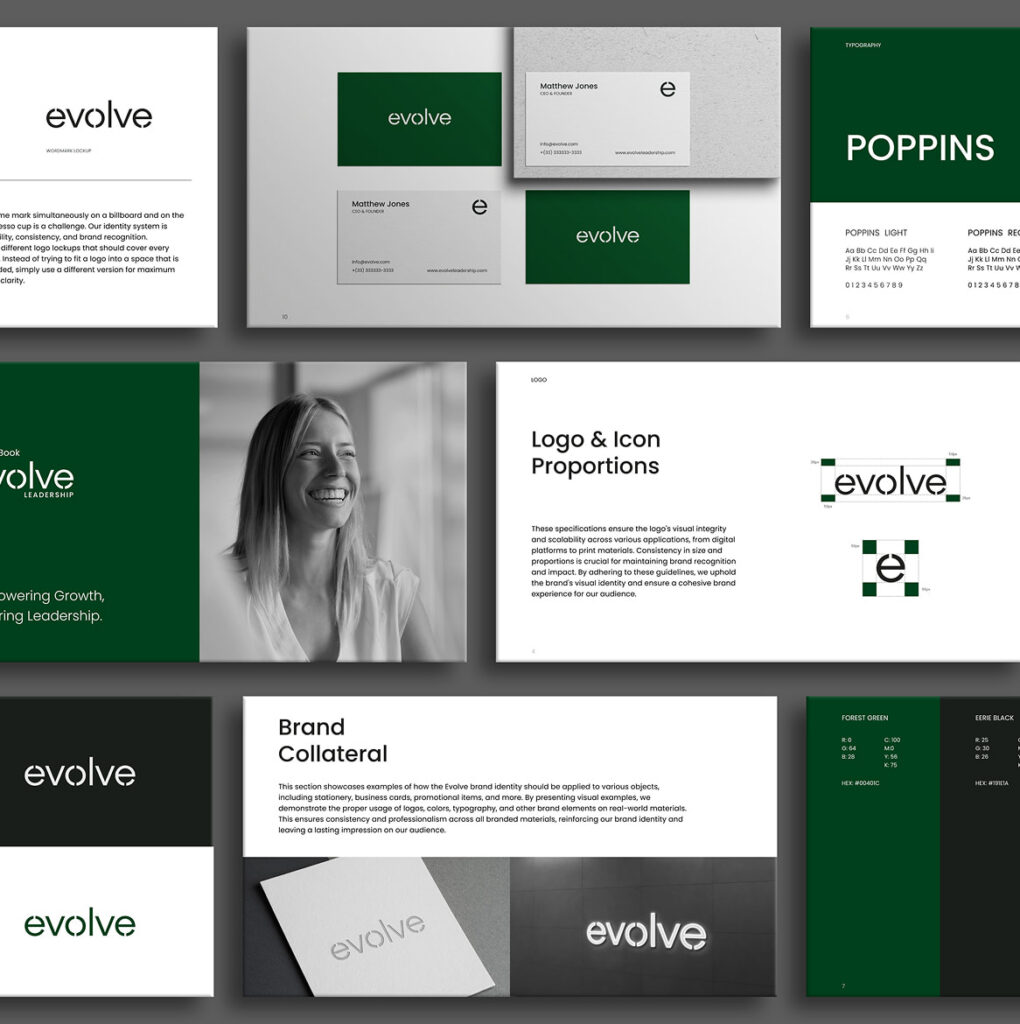
“IT Monks transformed our website into a modern, high-performing platform that truly reflects Evolve Leadership’s mission. Their team enhanced our branding, improved UX, and created custom features that drive engagement. The process was seamless, and the results exceeded our expectations!”


-
“Really awesome team of people. We have worked with the team in Europe for a product in Australia. They are always extremely responsive, well priced, and have exceeded what we required.”


-
“We hired IT Monks Agency for web design and development services. The agency’s professionalism, cost-effective pricing, cultural alignment, and shared values made it the ideal partner. The project included web design, development, and UI/UX design, resulting in the agency’s exceptional communication, impressive design, and flawless execution. IT Monks consistently met project deadlines, demonstrating efficient project management.”


-
“You are all amazing. I wanted to reiterate our sincere thanks for all of your hard work in getting the site live. We’ve already received a great deal of positive feedback on the new look and feel, as well as the overall user experience. We’re incredibly grateful for your partnership throughout this project. Thank you again for all of your dedication and support!”

Tech stack
Figma and FigJam support research, wireframing, and UI design, while WordPress and Gutenberg carry the approved system into development.


Meet Your Design Team
Designers work with Project Managers to shape your ideas, while developers stay involved to ensure every concept is practical to build.




FAQs
Get answers to common questions about our process, timelines, and collaboration.
How much will our WordPress website design cost, and what determines the price?
The cost depends on the size of the website, number of unique page types and templates, design complexity, research depth, and any custom functionality or integrations. We define the scope before work begins, so you know what’s included and what affects the final budget.
How long does the project take, and what can affect the timeline?
Most website design projects take 6–10 weeks. The design phase is the hardest to predict because timing depends heavily on client feedback and approval cycles. We plan the process to stay within this range, while more complex projects with multisite setups, multiple business entities, or additional functionality may take longer.
What do you need from our marketing team before design starts?
We usually need your business goals, target audience, brand guidelines, existing content, analytics, and examples of websites or design approaches you like and dislike. Current performance data also helps us base design decisions on real user behavior rather than assumptions.
How do you assess our current website and agree on design priorities?
We review the current structure, content, navigation, analytics, conversion paths, and brand consistency to identify where design is limiting performance. Those findings are then discussed with your team and turned into clear priorities for the new website.
When will our team review the page structure, user journeys, and designs?
We keep reviews regular throughout the project, with at least one call each week to show progress, discuss feedback, and approve the next stage. Structure and user journeys come first, followed by wireframes and the final visual design.
How do you manage stakeholder feedback and design revisions?
Feedback is collected at defined review points and consolidated before revisions begin. This keeps decisions transparent, reduces conflicting requests, and prevents late-stage changes from slowing the project down.
How do we decide which layouts our team can reuse and customize?
All sections and layouts are reusable. We also identify the page types and content formats your team uses most often, so the most important ones are ready to adapt quickly for new pages and campaigns.