IT Monks at all about automation Friedrichshafen, 2026

Table of Contents
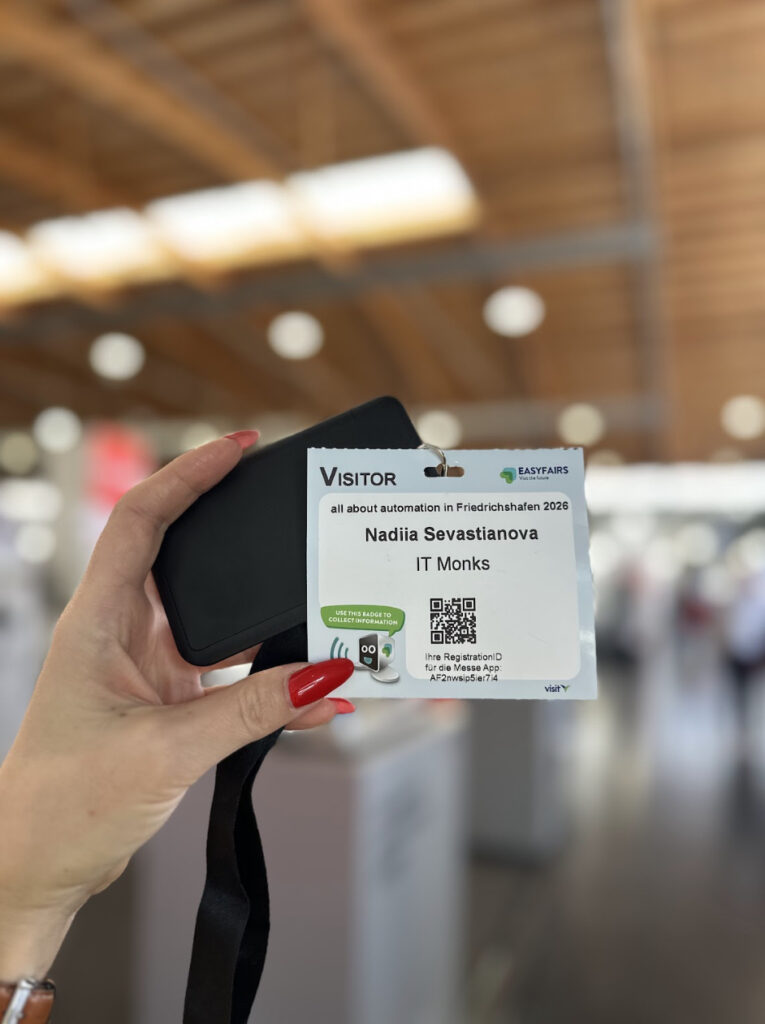
At IT Monks, we don’t limit our presence to web-focused events. Understanding industry challenges means meeting companies where their products are designed, tested, and proven in real-world conditions.
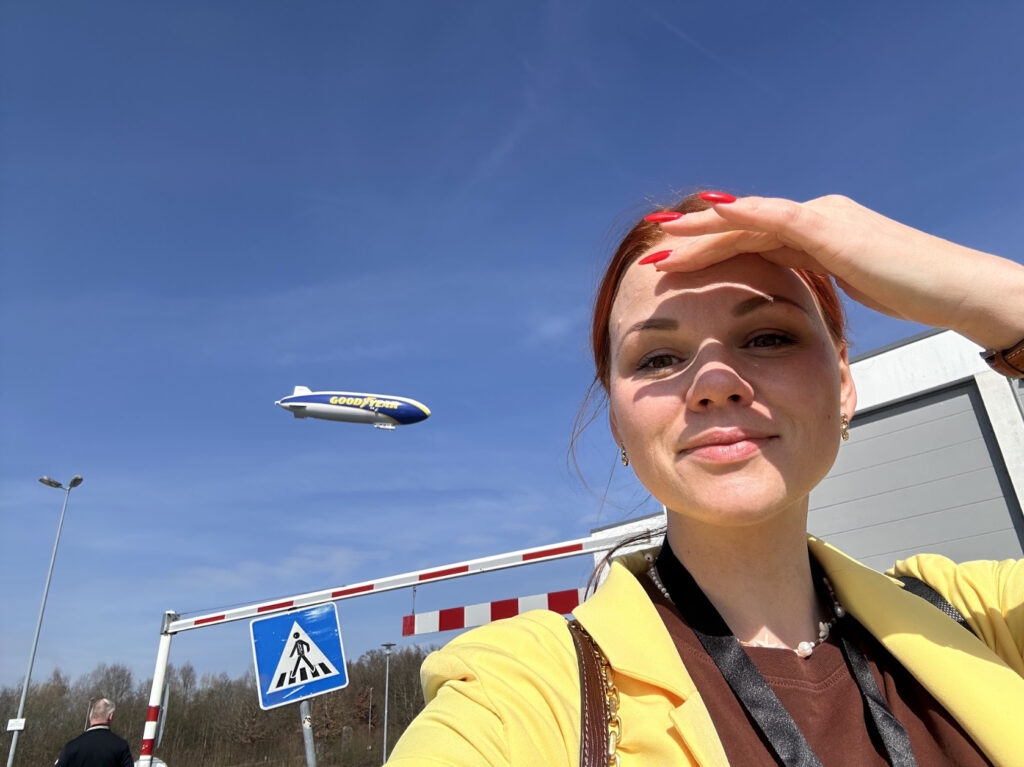
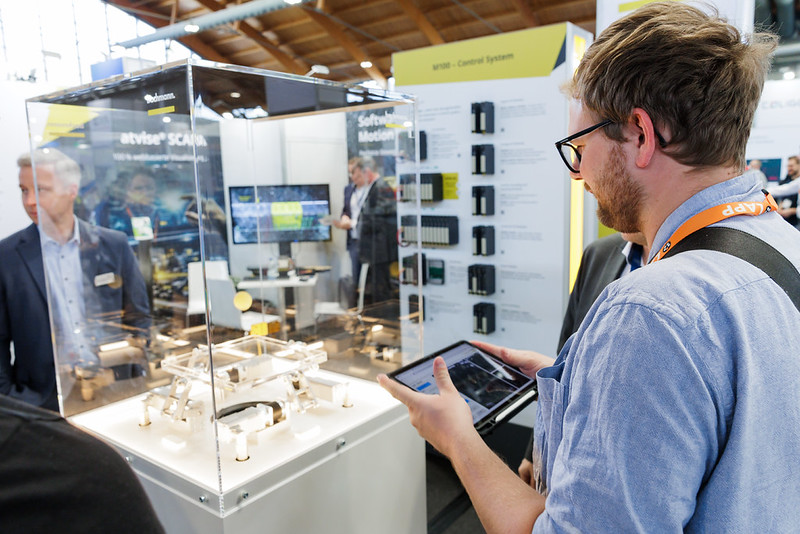
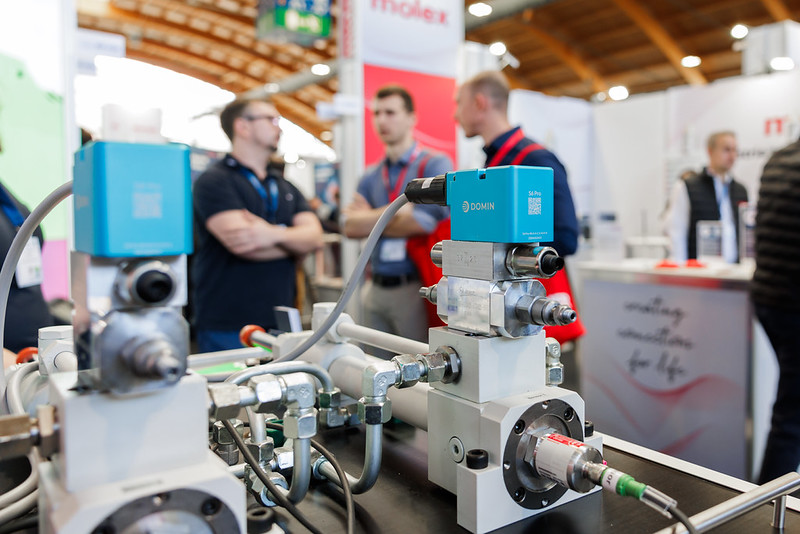
This time, our route led to Friedrichshafen, where all about automation took place on March 10–11, 2026, a focused trade fair dedicated to industrial automation, robotics, and digitalization, with a strong emphasis on practical, ready-to-apply solutions.
Events like all about automation and Productronica 2025, which we also attended, keep us closely aligned with where the industry is heading, and help us understand client needs at the source: on the factory floor, inside engineering teams, and in the technologies being built and demonstrated right now.
And now that we’re back, we’ve brought a fresh set of insights, from what’s changing in industrial tech to what manufacturers expect from their digital presence, and we’re already translating those learnings into clearer recommendations for our clients.
What Makes all about automation Different
Some fairs are built around spectacle. Yet, all about automation is built around conversation and implementation.
The format is compact and efficient, which changes the quality of interactions: less “brand theatre,” more “how are you solving it and how fast can it go live?”
The event program and positioning also reflect what manufacturers are prioritizing right now: AI and machine learning, safe automation, sustainability, robotics, and practical digitalization that improves productivity and flexibility.
That’s why the event felt especially relevant for us. Web development might seem far from factory floors at first glance, but the problems people are trying to solve, like speed, reliability, visibility, and integration, are exactly the same problems we deal with in digital systems.
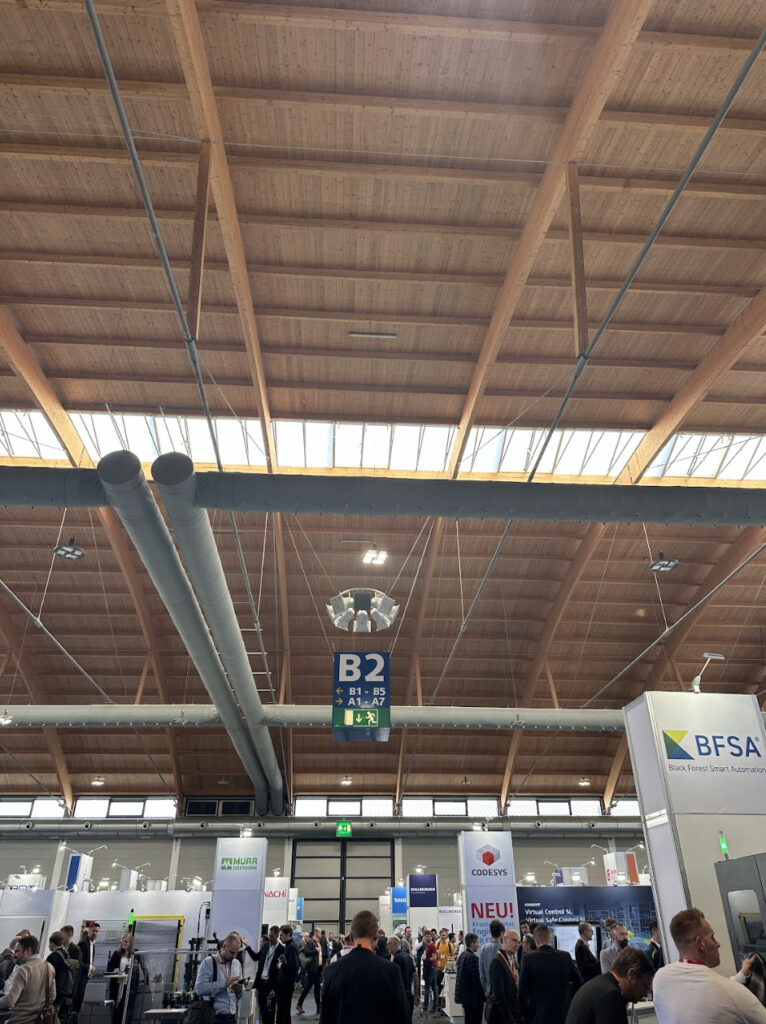
Topics Discussed
All about automation explicitly positions itself around strategies that translate into more efficient, productive, and sustainable production, and that “practical” framing matched what we heard on site.
A clear pattern across booths and discussions: automation is no longer “hardware first, software later.” Increasingly, the value is created through software layers: configuration, orchestration, monitoring, data flows, and usability.
The most convincing AI stories weren’t abstract “AI will change everything” pitches. They were about making complex systems easier to operate: reducing setup time, lowering the skills barrier, and enabling faster deployment of robotics.
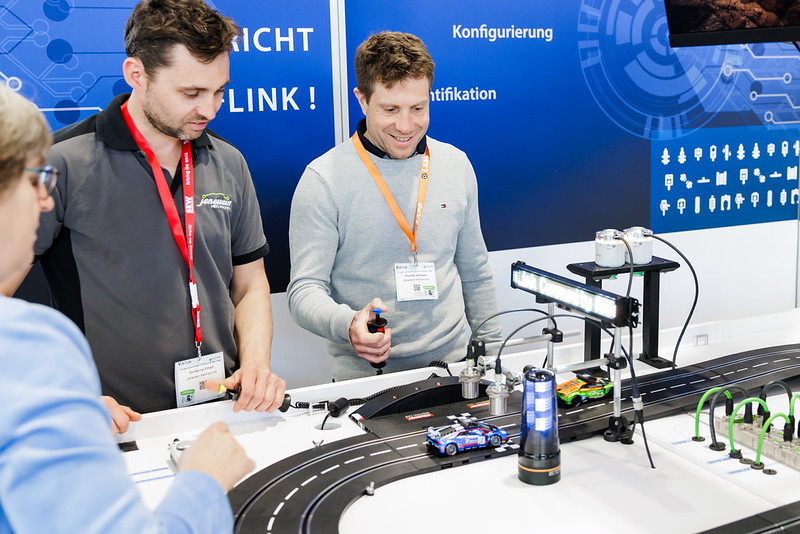
One of the most memorable examples for us was Fruitcore Robotics and their approach to “Physical AI” and usability. Their HORST robots and horstOS platform highlight how AI can shift the operator experience, enabling more intuitive workflow control, even through voice and no-code concepts. That matters because it reflects a broader market expectation: not just “Does it work?”, but “Can my team adopt it quickly?”
Manufacturing teams are allergic to vague promises. They want timelines, edge cases, serviceability, and ROI logic. You could feel it in the way conversations naturally moved toward implementation: commissioning efforts, downtime reduction, and long-term system maintenance.
Companies We Chatted With
Fruitcore Robotics
With fruitcore robotics, the standout idea wasn’t “AI for the sake of AI.” It was AI as a way to reduce friction between people and machines, making robotics easier to configure, operate, and scale in real production environments.
During our conversation, the IT Monks team exchanged insights with fruitcore robotics on AI implementation and optimization, discussing how intelligent systems are transforming not only robotics but also the digital infrastructure that supports modern manufacturing companies.
From a market perspective, this points to a shift: robotics is expanding beyond specialists. More SMEs want automation that feels approachable, something that can be explained, learned, and maintained without a large internal robotics department.
HELU (HELUKABEL): the quiet backbone of automation and a solar angle
We also had the opportunity to discuss digital and web automation capabilities with HELU (HELUKABEL). As a company deeply involved in industrial automation infrastructure, HELU understands how important efficiency and system reliability are, not only on the factory floor but also in the digital systems that support sales, documentation, and customer interaction.
HELU’s solutions often serve as the unseen backbone of automation projects. Their portfolio includes cables, accessories, and system components that ensure reliable operation of robots and machines across industrial environments.
Their focus areas span automation technology and robotics, including sensor/data cables, bus and network systems, control and motor cabling, as well as custom solutions tailored to specific manufacturing applications.
Because automation is core to HELU’s market, our conversation naturally touched on web automation and digital infrastructure, how modern web platforms can streamline product documentation, simplify customer access to technical resources, and automate parts of the sales and support process for complex industrial portfolios.
Why IT Monks Cares about Robotics Fairs
Because the same problem showed up repeatedly (and we’ve seen it at Productronica too): factories can run with impressive precision while digital customer-facing systems struggle to keep up.
Many manufacturing companies invest heavily in production, but their website still behaves like a static brochure, hard to update, hard to navigate, and not built for the way industrial buyers actually evaluate suppliers in 2026.
And industrial buying has changed. A website is no longer “marketing.” It’s part of the evaluation workflow.
Website Launch/Rebuild Meaning for Manufacturing Companies
A strong manufacturing website development does practical work besides simply looking modern.
1) It Turns Expertise into Structured Proof
Engineers and procurement don’t want big claims, they want clarity:
- what you build and where it fits,
- what standards you follow,
- what results you’ve achieved in comparable environments,
- and what the path to implementation looks like.
A rebuild lets you package that proof in a way people can actually use.
2) It Shortens the Sales Cycle by Removing Repeated Questions
A lot of time is wasted on basics: “Which variant fits?”, “Do you have certifications?”, “Where’s the documentation?”, “Can you support region X?”, “What’s your process?”
The right site structure reduces that friction with:
- clear solution pages,
- organized downloads (datasheets, certifications, manuals),
- case studies written for technical readers,
- and fast paths to an RFQ or consultation.
3) It Supports Modern Industrial Growth Channels
Industrial leads don’t come only from fairs anymore. They come from:
- search (very specific, long-tail queries),
- partner referrals that still require quick validation,
- and internal shortlists where your website becomes the “evidence pack.”
If your site is slow, outdated, or unclear, you lose confidence along with leads.
The Bottom Line
All about automation Friedrichshafen confirmed what we’ve been seeing across the industry: innovation isn’t only about machines getting smarter. It’s about entire companies becoming more digitally mature, from production systems to how they communicate value, onboard customers, and support long-term relationships.
That’s why IT Monks shows up in places like Friedrichshafen. Because if you want to build better digital systems for manufacturing, you need to understand the reality they’re built for.
Contact
Don't like forms?
Shoot us an email at [email protected]