

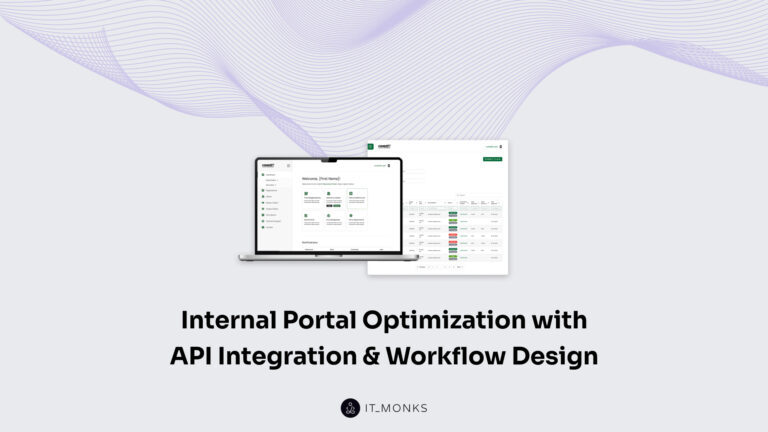
There’s a point where internal systems in day-to-day operations still “work,” but something feels off. This Combilift case study walks…
Learn more We specialize in designing, developing, and marketing custom, high-performing websites for car dealerships, part stores, and other businesses in the automotive industry.


Leads come in, but they don’t always get tracked properly. A form submission here, a chat there, maybe a phone call that never gets logged. Over time, it becomes hard to see who’s interested in what, and follow-ups slip.

Once everything feeds into a single system, it’s much easier to stay on top of. Every inquiry is captured, conversation history is visible, and sales teams know where each lead stands. It doesn’t make the process perfect, but it removes a lot of the blind spots.

Stock data is rarely as current as teams think. A vehicle shows as available, but it’s already reserved. Parts look in stock, but they’re sitting in another location or already allocated. Sales ends up double-checking everything

When the website is integrated with inventory systems, that guesswork goes away. Vehicle availability, specs, and pricing are pulled in and updated without someone refreshing spreadsheets. Customers see what’s actually there, not what was in stock yesterday. It builds a different level of confidence, especially when high-value purchases are involved.

Even when someone is ready to buy, the next step isn’t always clear.
Dealer pages are in place, but they’re often outdated or tucked away somewhere in the navigation. People end up searching again, sometimes landing on a competitor instead.

Buyers enter a location, see nearby dealerships, check availability or services, and move on. No guessing involved. It also works in the dealer’s favor since they show up exactly when a buyer is looking.

Service scheduling still relies heavily on calls and back-and-forth emails. It clogs up service desks, creates booking overlaps, and frustrates customers who just want to lock in a time for maintenance or repair.

Customers can pick a time, select the type of service, and get confirmation without waiting on someone to respond. When online booking forms connect to CRM or dealership systems, availability stays accurate, and service teams aren’t juggling requests manually.

Some products just aren’t easy to choose. Too many variables, not enough clarity. That usually leads to long email threads and slow decisions.

A configurator gives users a way to figure things out on their own. They can:
When it’s tied into backend systems, it also keeps quotes consistent and saves time on both sides.

It’s hard to improve what you can’t really see. Without proper tracking, teams are left guessing which pages work, where users drop off, and what actually drives inquiries.

You can see how people move through the site, what vehicles get attention, and where interest fades. With such dashboards in place, teams get enough clarity to make better decisions.

The information is there, but it’s not easy to use:
For technical buyers, that’s frustrating enough to stop the process.

When catalog pages are structured properly, things start to click.
You don’t need to open five tabs just to compare two products. It’s still detailed, but easier to work through.
Leads come in, but they don’t always get tracked properly. A form submission here, a chat there, maybe a phone call that never gets logged. Over time, it becomes hard to see who’s interested in what, and follow-ups slip.
Once everything feeds into a single system, it’s much easier to stay on top of. Every inquiry is captured, conversation history is visible, and sales teams know where each lead stands. It doesn’t make the process perfect, but it removes a lot of the blind spots.
Stock data is rarely as current as teams think. A vehicle shows as available, but it’s already reserved. Parts look in stock, but they’re sitting in another location or already allocated. Sales ends up double-checking everything
When the website is integrated with inventory systems, that guesswork goes away. Vehicle availability, specs, and pricing are pulled in and updated without someone refreshing spreadsheets. Customers see what’s actually there, not what was in stock yesterday. It builds a different level of confidence, especially when high-value purchases are involved.
Even when someone is ready to buy, the next step isn’t always clear.
Dealer pages are in place, but they’re often outdated or tucked away somewhere in the navigation. People end up searching again, sometimes landing on a competitor instead.
Buyers enter a location, see nearby dealerships, check availability or services, and move on. No guessing involved. It also works in the dealer’s favor since they show up exactly when a buyer is looking.
Service scheduling still relies heavily on calls and back-and-forth emails. It clogs up service desks, creates booking overlaps, and frustrates customers who just want to lock in a time for maintenance or repair.
Customers can pick a time, select the type of service, and get confirmation without waiting on someone to respond. When online booking forms connect to CRM or dealership systems, availability stays accurate, and service teams aren’t juggling requests manually.
Some products just aren’t easy to choose. Too many variables, not enough clarity. That usually leads to long email threads and slow decisions.
A configurator gives users a way to figure things out on their own. They can:
When it’s tied into backend systems, it also keeps quotes consistent and saves time on both sides.
It’s hard to improve what you can’t really see. Without proper tracking, teams are left guessing which pages work, where users drop off, and what actually drives inquiries.
You can see how people move through the site, what vehicles get attention, and where interest fades. With such dashboards in place, teams get enough clarity to make better decisions.
The information is there, but it’s not easy to use:
For technical buyers, that’s frustrating enough to stop the process.
When catalog pages are structured properly, things start to click.
You don’t need to open five tabs just to compare two products. It’s still detailed, but easier to work through.
With 15+ years of experience, our team of designers, web developers, and marketing experts understands the automotive industry’s needs and delivers automotive web design solutions with audience-focused functionality.
We provide automotive web solutions featuring 3D models, car configurators, auto catalogs with advanced filtering options, VIN checks, and other functionality that increase users’ time on a site and enhance engagement, leading to higher conversion rates.
With 16+ years of experience delivering automotive web solutions, we have created websites for six automotive niches. Our deep understanding of the automotive industry enables us to craft custom websites that are visually appealing and function seamlessly, addressing the unique needs of each business type.
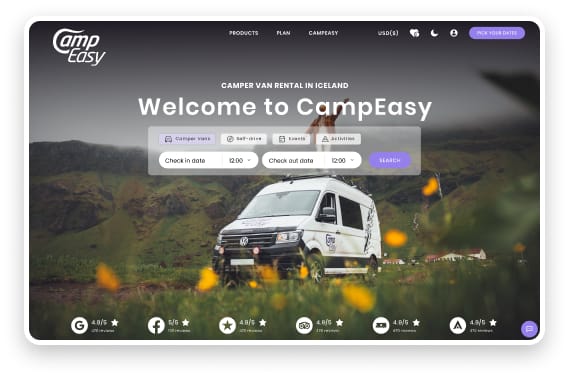
We specialize in developing custom auto website designs for car rental companies, featuring tailored solutions like automated booking systems, real-time fleet management, location-based services, secure payment integrations, and other functionality catering to each brand’s needs.
IT Monks has extensive expertise in designing, developing, and marketing auto dealership websites that display constantly changing inventories in real-time, provide intuitive search filters, integrate with financing calculators, and offer virtual tours, creating a seamless and compelling browsing experience for potential buyers.
Our custom web development solutions address the unique challenges of this niche by creating interactive tools, such as charging station locators and battery range calculators, designing eco-centric websites that reflect sustainability values, and integrating CRM and marketing systems to streamline operations and enhance customer engagement.
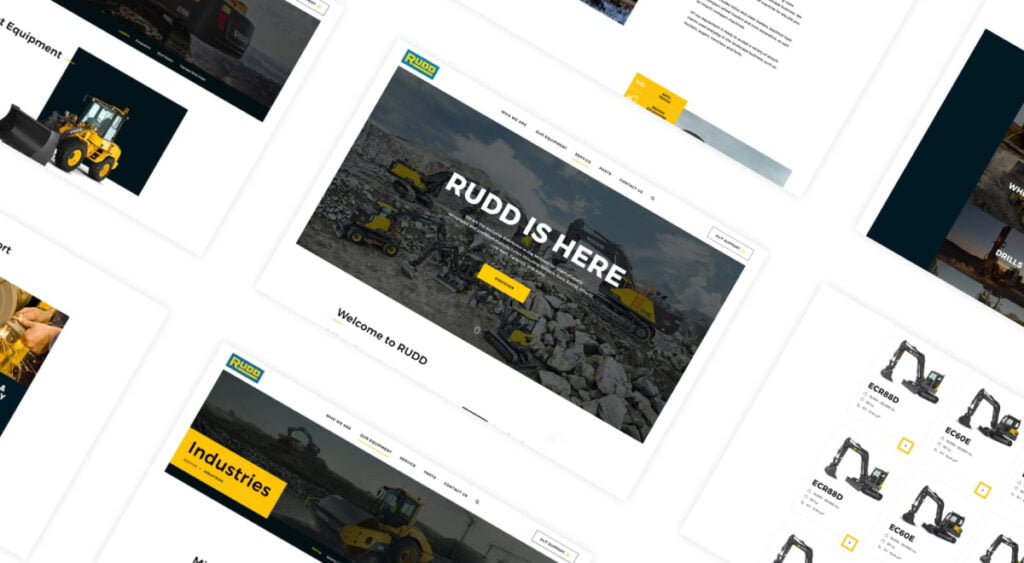
Our automotive web development team builds dynamic auto parts and equipment websites featuring user-friendly listings, advanced product search and filtering, detailed product pages, inventory system integration, and other functionalities vital for driving sales and fostering customer loyalty.
Our auto service and repair websites focus on building long-term customer trust through transparency, convenience, and reliability. This is achieved through features like online appointment scheduling with real-time availability, service history tracking, transparent pricing calculators, and integration with diagnostic tools to enhance user confidence. Besides, we prioritize local SEO, ensuring businesses rank at the top of local search results and on Google Maps, boosting their community visibility.
We create auto web designs that help businesses in the truck and trailer sector address their specific needs, such as displaying detailed product listings, offering 360-degree 3D views and virtual tours, providing financing and trade-in estimators, facilitating appointment scheduling, and showcasing technical specifications. Our solutions enhance user experience and simplify the decision-making process.



 ChatGPT
  Claude
  Grok
Grok  Gemini