
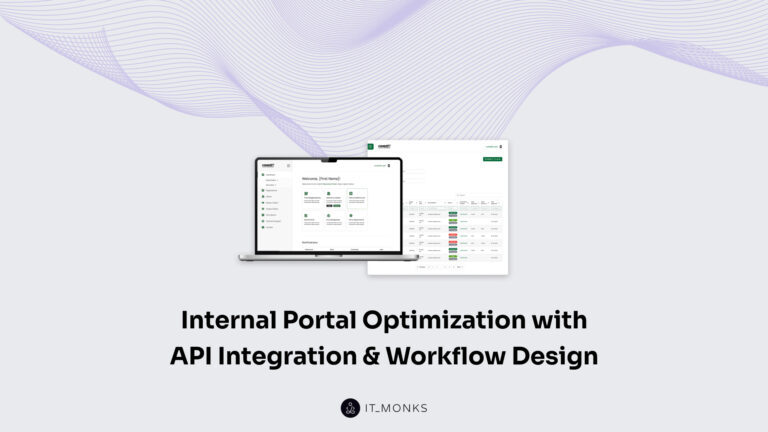
There’s a point where internal systems in day-to-day operations still “work,” but something feels off. This Combilift case study walks…
Learn more Custom manufacturing website design & development to support your institution’s growth, mission & goals with scalable, user-friendly solutions






Sometimes it’s a few hours. Sometimes longer. Either way, it breaks the flow, especially for engineers and procurement teams who are trying to move quickly. At that point, they look elsewhere, often on competitor websites.

Instead of sending a message and waiting, people can just ask and get a response right away, even if it’s just a quick clarification or a pointer in the right direction.
A chatbot helps cover the times your team can’t. It keeps things moving so the conversation doesn’t just stop at night, on weekends, and during peak hours.

Up to 50% of customers simply don’t know where to buy. Dealer pages exist, but they’re outdated, buried, or hard to navigate. So even interested users hit a dead end.

A clear locator removes that friction almost instantly. Users can check their region, see nearby partners, and move forward without guessing. It also tends to help dealers who can get discovered when it matters.

The information is there, but it’s not easy to use:
For technical buyers, that’s frustrating enough to stop the process.

When catalog pages are structured properly, things start to click.
You don’t need to open five tabs just to compare two products. It’s still detailed, but easier to work through.

After the purchase, everything spreads out:
It works, but not smoothly.

A single place for all of those changes can experience quite a bit. Customers can log in, check what they need, download files, and submit requests without having to chase down information. Support teams usually feel the difference pretty quickly, too.

Search tends to fall apart with technical queries. Part numbers, specific attributes, and partial inputs don’t handle them well. Users end up clicking around or just leaving.

A more tailored search setup makes navigation feel faster, even on large catalogs.
If someone types in an SKU or a spec, they get something useful in return. That’s the baseline expectation, especially in industrial or technical environments.

Critical data like pricing, inventory, and order status live in different places and gets updated separately, often manually. This leads to errors, manual work, and poor customer experience.

Once systems are connected, a lot of that friction disappears. Updates flow automatically, teams rely on the same data, and fewer things slip through the cracks. It’s not something users always see, but they feel the result.

Some products just aren’t easy to choose. Too many variables, not enough clarity. That usually leads to long email threads and slow decisions.

A configurator gives users a way to figure things out on their own. They can:
When it’s tied into backend systems, it also keeps quotes consistent and saves time on both sides.
Sometimes it’s a few hours. Sometimes longer. Either way, it breaks the flow, especially for engineers and procurement teams who are trying to move quickly. At that point, they look elsewhere, often on competitor websites.
Instead of sending a message and waiting, people can just ask and get a response right away, even if it’s just a quick clarification or a pointer in the right direction.
A chatbot helps cover the times your team can’t. It keeps things moving so the conversation doesn’t just stop at night, on weekends, and during peak hours.
Up to 50% of customers simply don’t know where to buy. Dealer pages exist, but they’re outdated, buried, or hard to navigate. So even interested users hit a dead end.
A clear locator removes that friction almost instantly. Users can check their region, see nearby partners, and move forward without guessing. It also tends to help dealers who can get discovered when it matters.
The information is there, but it’s not easy to use:
For technical buyers, that’s frustrating enough to stop the process.
When catalog pages are structured properly, things start to click.
You don’t need to open five tabs just to compare two products. It’s still detailed, but easier to work through.
After the purchase, everything spreads out:
It works, but not smoothly.
A single place for all of those changes can experience quite a bit. Customers can log in, check what they need, download files, and submit requests without having to chase down information. Support teams usually feel the difference pretty quickly, too.
Search tends to fall apart with technical queries. Part numbers, specific attributes, and partial inputs don’t handle them well. Users end up clicking around or just leaving.
A more tailored search setup makes navigation feel faster, even on large catalogs.
If someone types in an SKU or a spec, they get something useful in return. That’s the baseline expectation, especially in industrial or technical environments.
Critical data like pricing, inventory, and order status live in different places and gets updated separately, often manually. This leads to errors, manual work, and poor customer experience.
Once systems are connected, a lot of that friction disappears. Updates flow automatically, teams rely on the same data, and fewer things slip through the cracks. It’s not something users always see, but they feel the result.
Some products just aren’t easy to choose. Too many variables, not enough clarity. That usually leads to long email threads and slow decisions.
A configurator gives users a way to figure things out on their own. They can:
When it’s tied into backend systems, it also keeps quotes consistent and saves time on both sides.
For over 16 years, IT Monks has been creating high-performance websites for manufacturing companies.
With more than 90 successfully delivered projects, we have a deep understanding of the unique logic, data, and workflows specific to the industrial sector.
Each website we build is custom-designed to reflect business operations, engage B2B buyers, and deliver measurable business results.
We craft niche, reliable, and scalable solutions that help manufacturers grow more rapidly in competitive markets.
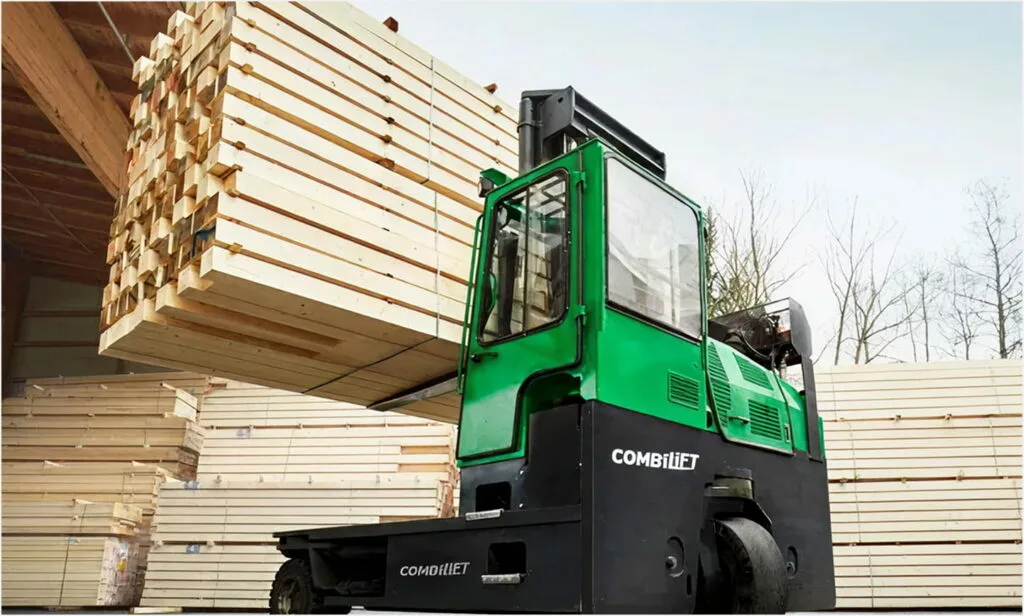
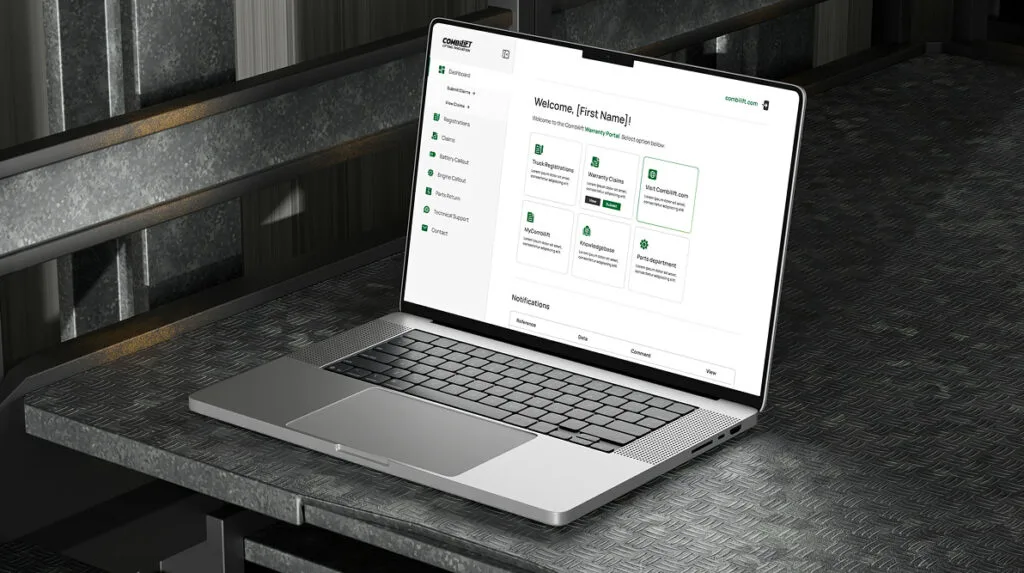
API-powered Warranty Portal that centralizes claims, service requests, and customer support workflows for Combilift’s global operations.
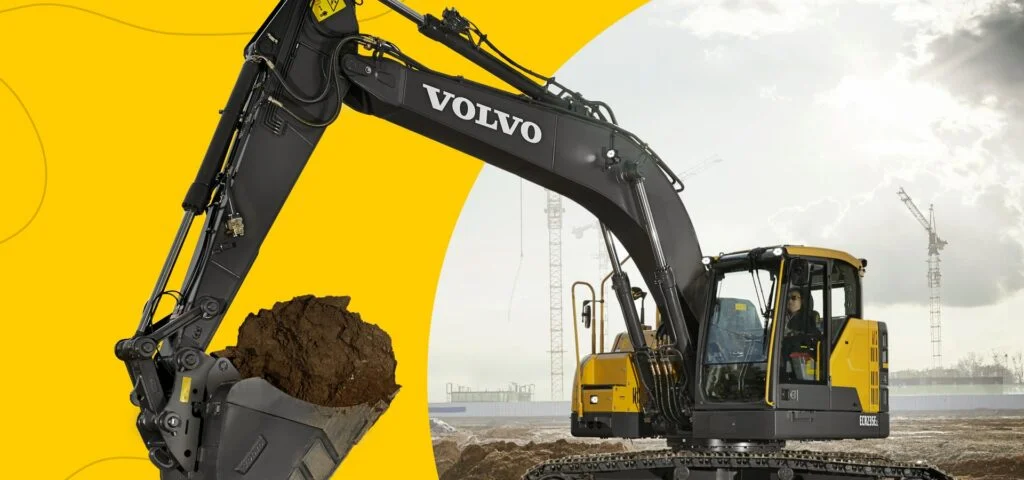
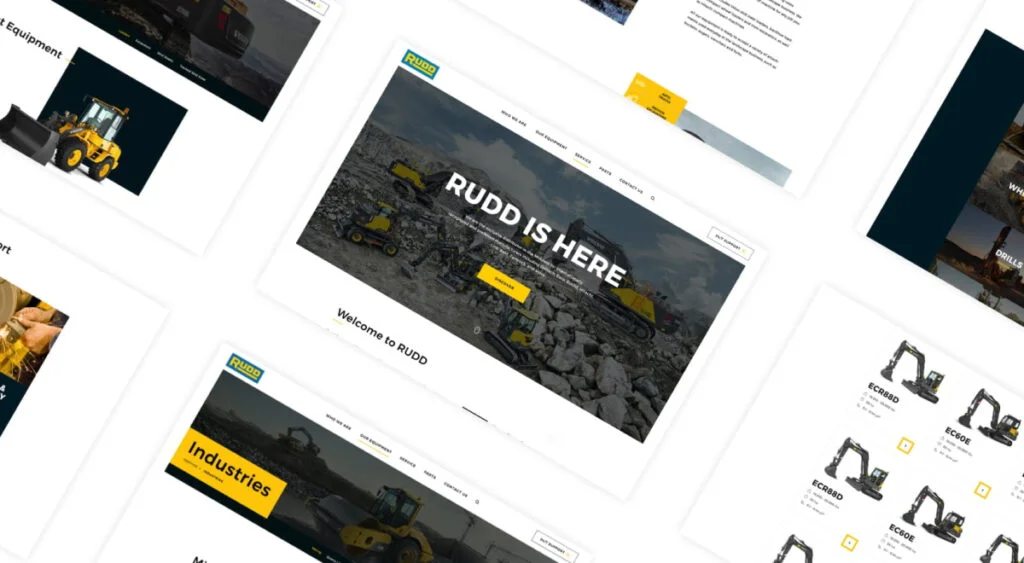
Exclusive distributor in the Midwest for internationally recognized and preferred manufacturers including Volvo, Hitachi, Sandvik, and Link-Belt.
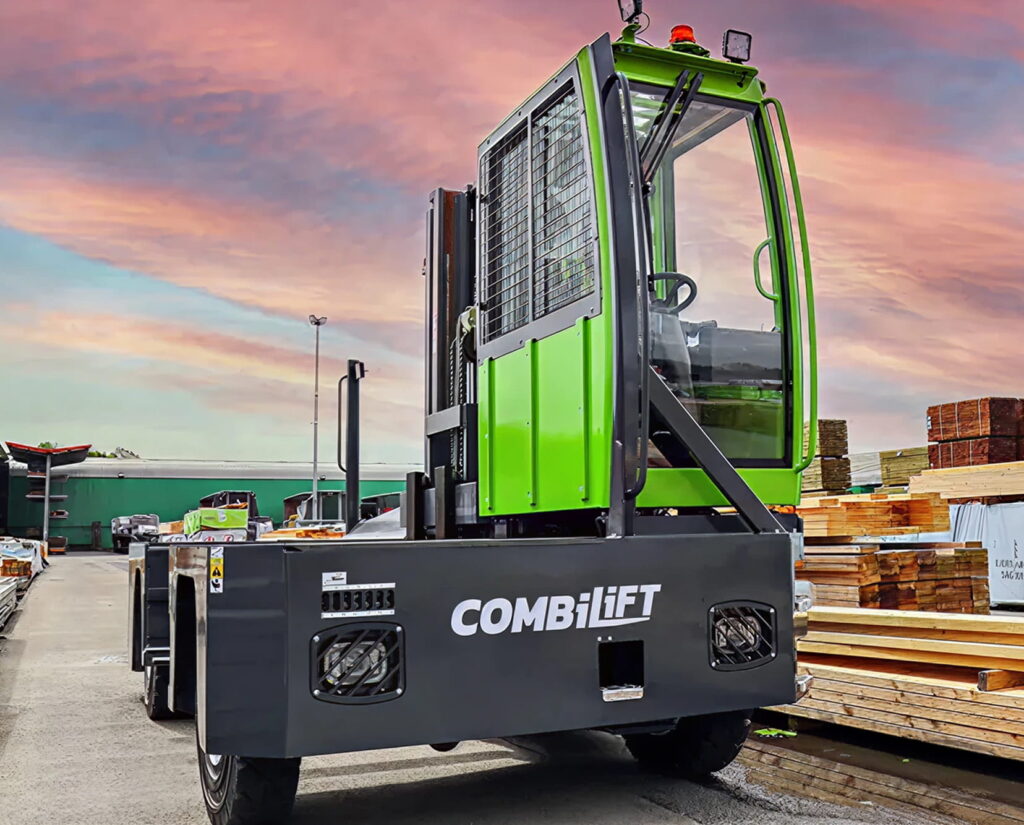
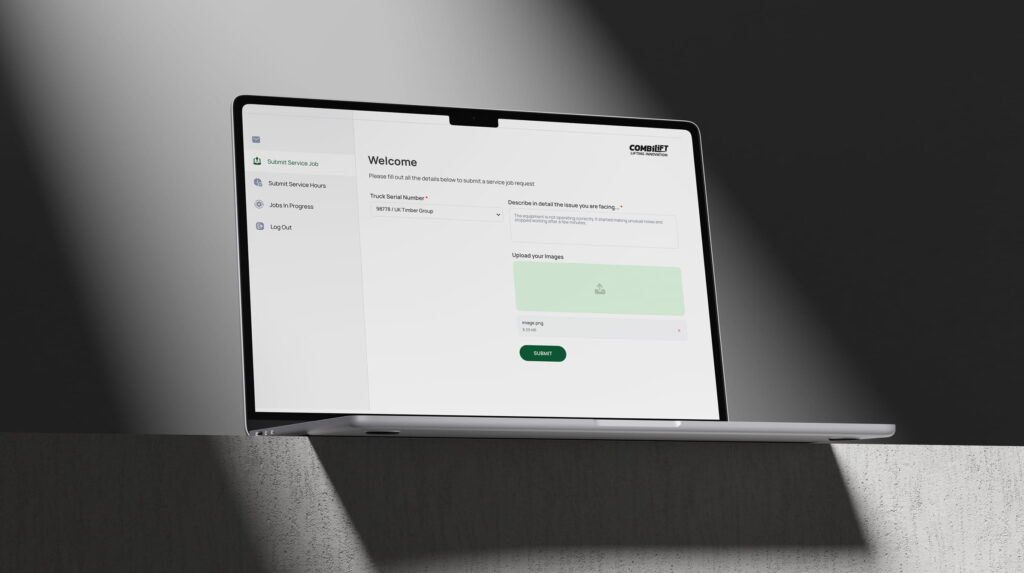
A custom Service Jobs Portal built for Combilift to streamline service request management between customers, engineers, and subcontractors. The platform integrates with internal systems to centralize job tracking, improve operational visibility, and simplify service workflows.
We provide end-to-end website development, from planning global architecture to refining every design detail, including button color and placement. Our approach ensures that manufacturers receive a comprehensive and scalable solution that grows with their business.
We design manufacturing websites that strike a balance between visual precision and functionality. Each layout is carefully tailored to highlight the company’s products, technical data, and documentation, ensuring a seamless experience for both engineers and buyers.
Manufacturing teams access websites from offices, plants, and mobile devices. We build fully responsive platforms that deliver consistent speed and usability across all screens and browsers. Clients and partners can interact with the brands at any time, from anywhere, without experiencing performance loss.
Our multilingual architecture supports region-specific catalogs, measurements, and pricing while maintaining a consistent UX. Users can easily switch languages and access information relevant to their market.
Advanced caching, CDN delivery, and compression keep load times fast, ensuring smooth performance, strong SEO results, and consistent user experience across global industrial platforms.
We build websites that are accessible to everyone and meet WCAG standards. Each element, from contrast and navigation to alternative content, is designed to support usability for all audiences, including those using assistive tools.
We integrate websites with ERP, MES, PLM, SCADA, CRM, and other systems. Our solutions ensure real-time data synchronization, automated inventory tracking, and secure API connections.


 ChatGPT
  Claude
  Grok
Grok  Gemini