
As with any other business relationship, the collaboration between a web design agency and your company needs to be not…
Learn more IT Monks is a US-Based WordPress agency that delivers full-cycle WordPress design, development, and long-term support for businesses across the Arkansas Area.




















With more than 16 years of expertise in building high-quality products in Arkansas, our team is building fast, scalable, and conversion-focused solutions that help our customers to achieve their business goals.
IT Monks delivers web design in Arkansas with a strong focus on clear UX structure, intuitive navigation, and consistent brand layouts that build trust and turn website traffic into qualified leads.
Our WordPress websites developed in Arkansas follow scalable architecture, WordPress coding standards, and established development best practices to ensure reliable long-term performance.
AI tools integrated into WordPress websites by our team support automated optimization, behavioral analysis, and continuous performance improvement while remaining aligned with business objectives.
We design conversion-focused e-commerce websites in Arkansas with optimized product catalogs, simplified checkout flows, and secure payment integrations that help local businesses sell products online and increase purchases.
Our team manages WordPress migration in Arkansas with secure data transfer, preserved SEO rankings, and zero downtime.
Outdated websites are modernized through improved structure, navigation, and content strategy to strengthen brand consistency and increase conversion performance.
Technical SEO for WordPress websites in Arkansas includes structured metadata, schema markup, crawl optimization, and indexing signals that improve search visibility.
We provide ongoing WordPress maintenance and support, with proactive monitoring, security updates, and performance optimization to keep websites stable and secure.
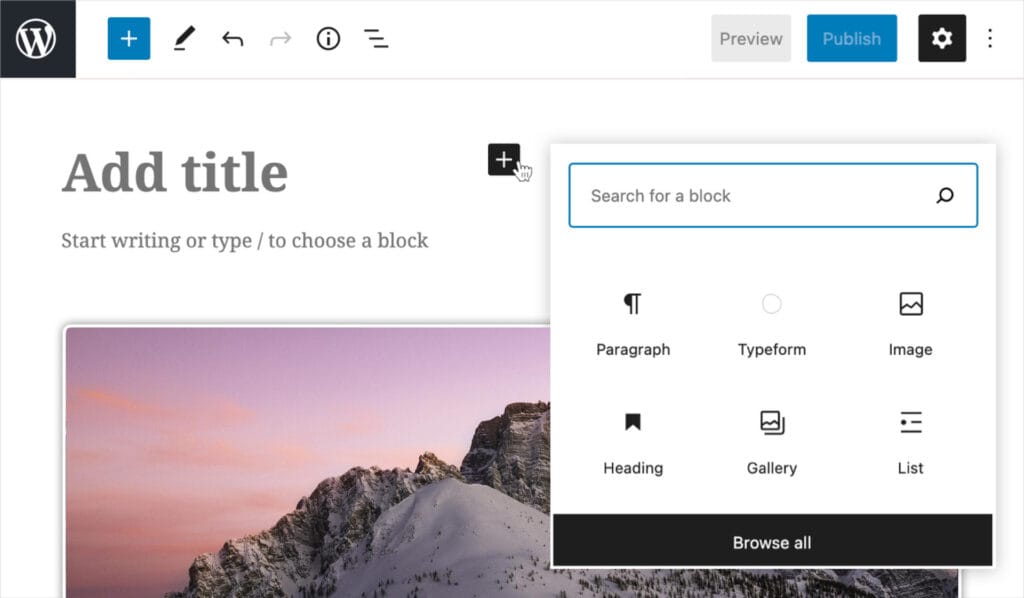

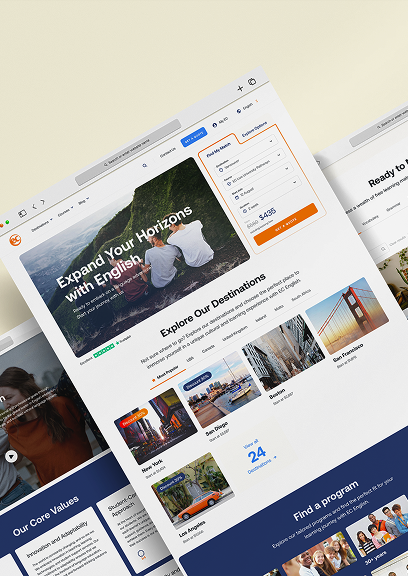

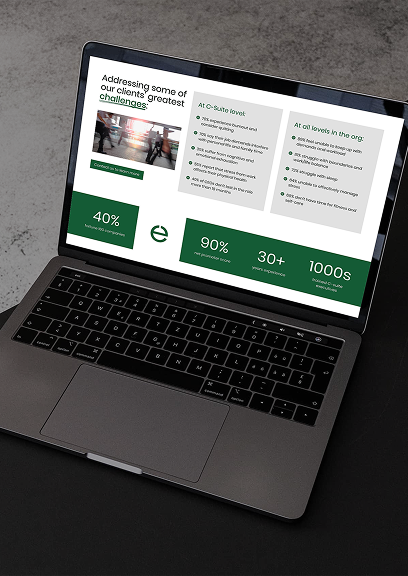

We’ve spent 16+ years building websites for companies across the USA, with 950+ completed projects for Arkansas brands in diverse industries.
Our team combines modern design trends with reliable development to deliver custom sites that stand out in Arkansas markets, without sacrificing speed, SEO, or conversion performance.
IT Monks develops websites in Arkansas using modern web standards and proven UX practices, while adapting structure, design, and functionality to the specific needs of each Arkansas business and industry.
All websites we build for Arkansas companies follow a mobile-first approach, ensuring seamless performance across smartphones, tablets, and desktops. This improves user engagement, supports modern search ranking factors, and allows visitors to interact with businesses easily on any device.
Our UI system guides visitors through clear interaction paths by structuring pages around user intent and business goals. Arkansas companies can increase inquiries, bookings, and qualified lead generation.
Accessibility compliance ensures websites we build for Arkansas businesses follow global standards such as WCAG guidelines and ADA requirements. This improves usability, expands audience reach, and reduces legal risks related to accessibility regulations.
SEO-friendly structure strengthens Arkansas website visibility through optimized metadata, logical internal linking, and structured content hierarchy. This helps search engines better understand website content and allows Arkansas businesses to attract more qualified organic traffic.
Clear navigation structures website content for Arkansas businesses, helping users quickly find services, information, and key pages without friction.
An advanced design system helps Arkansas brands maintain consistent typography, colors, and UI components across every page of the website.

Our WordPress web design in Arkansas includes custom UX design, full-cycle WordPress development, AI optimization, e-commerce development, WordPress migration or redesign, technical SEO setup, and ongoing maintenance and support.
Pricing for WordPress websites in Arkansas depends on project scope, functionality, integrations, and technical complexity; our team provides a detailed estimate after reviewing the project requirements.
Yes. Our team configures Google Maps integration, structured location data, local schema markup, and geo-targeted signals that improve visibility in Arkansas search results and attract qualified local traffic.
IT Monks provides web design and development in Arkansas for industries including manufacturing, healthcare, finance, legal, hospitality, construction, fitness, e-commerce, SaaS, and professional services. However, this list is not exhaustive, and our team delivers WordPress solutions in Arkansas to businesses across all industries.
A lot of Arkansas businesses reach the point where the website just stops doing much. It’s online, it technically works, but it doesn’t really bring in customers anymore. Sometimes the design feels dated. Sometimes the site loads slowly. Sometimes the problem is harder to notice, and visitors simply leave without taking action.
The primary goal of a business website is to provide users with answers to their questions and information about the products and services they are looking for. When this doesn’t happen, users leave for competitors’ websites, and the company’s web page becomes a placeholder.
That’s usually when companies start thinking about rebuilding it properly.
WordPress is still the platform many Arkansas companies choose for their websites. It’s flexible and fairly easy to manage once everything is set up correctly.
In most projects, the first step isn’t design. It’s figuring out structure. What pages should exist, what information people look for first, and how they move through the site.
Once that part is clear, the design process goes much faster. The layouts begin to make sense, and the site feels easier to use.
And of course, it needs to work well on phones. That’s where a lot of traffic comes from now.
Certain problems show up pretty often.
Some sites have simply grown messy over time. New pages were added, old ones never removed, and the navigation became confusing.
Other websites suffer from speed issues. Large images, outdated plugins, or poorly configured hosting can slow everything down.
Then there are sites where the content is technically fine, but visitors have no clear next step. No obvious contact path. No clear call to action. People browse for a moment and move on.
When a new site launches, several things should already be sorted out. The design is complete, the structure is clear, and the pages work properly across devices. Forms should be tested, links checked, and loading speed verified.
There’s also some behind-the-scenes work that matters. Search engines need to understand how the site is organized, which pages exist, and how they connect.
Most of these details aren’t visible to visitors, but they help the website perform reliably once it’s live.




Going live isn’t really the end of a project.
After launch, real users begin interacting with the site, and small issues sometimes appear. A form behaves differently on a certain phone model. A layout looks slightly off on one screen size.
These things get fixed during the early stabilization period. It’s normal. Websites rarely feel perfect on day one.
Once those small adjustments are done, the site usually settles into a stable rhythm.
Modern websites also need to handle visitor data properly.
Cookie notices, privacy pages, and analytics tracking are part of the setup. Visitors should know what data is collected, and businesses still need useful insight into how the site is performing.
Analytics helps answer simple questions: where people come from, what pages they read, and where conversions actually happen.
Without that information, improving the site becomes guesswork.
Many Arkansas companies serve multiple cities or regions, not just one location. Their websites should reflect that.
Location pages help visitors quickly confirm whether a business operates in their area. It also makes the site clearer for search engines.
Instead of one broad page trying to cover everything, each service area can have its own page with relevant details.
It’s a small structural choice, but it often improves both usability and visibility.



 ChatGPT
  Claude
  Grok
Grok  Gemini