As with any other business relationship, the collaboration between a web design agency and your company needs to be not…
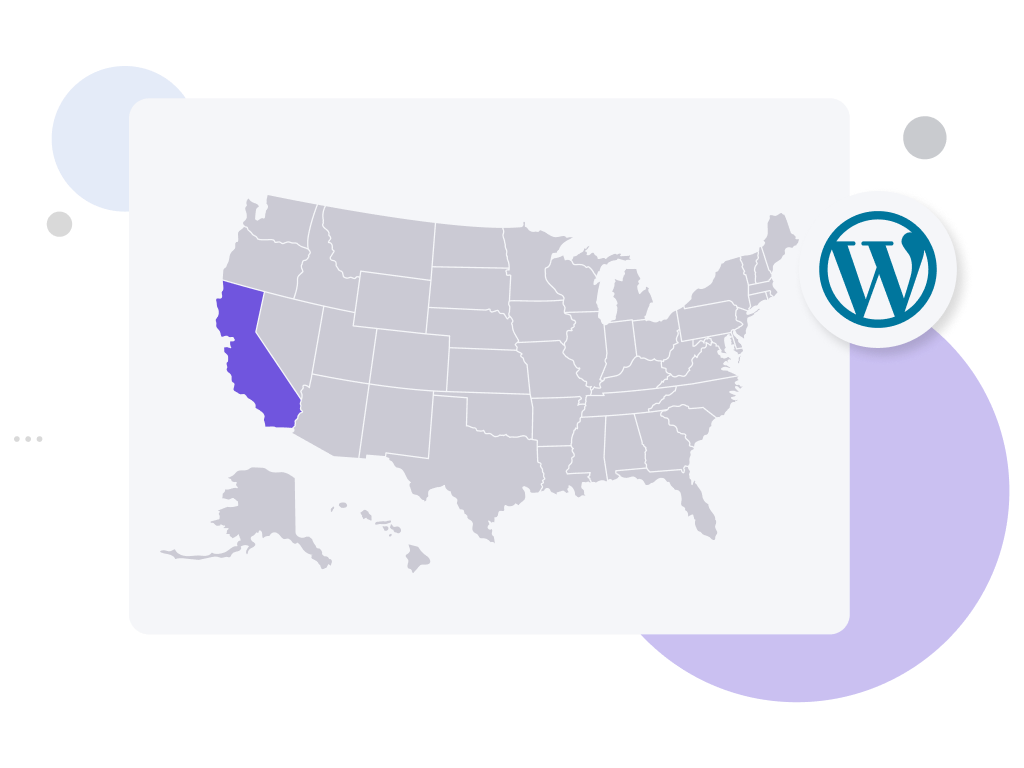
Learn more IT Monks is a US-Based WordPress agency that delivers full-cycle WordPress design, development, and long-term support for businesses across the California Area.










With more than 16 years of expertise in building high-quality products in California, our team is building fast, scalable, and conversion-focused solutions that help our customers to achieve their business goals.
IT Monks delivers web design in California with a strong focus on clear UX structure, intuitive navigation, and consistent brand layouts that build trust and turn website traffic into qualified leads.
Our WordPress websites developed in California follow scalable architecture, WordPress coding standards, and established development best practices to ensure reliable long-term performance.
AI tools integrated into WordPress websites by our team support automated optimization, behavioral analysis, and continuous performance improvement while remaining aligned with business objectives.
We design conversion-focused e-commerce websites in California with optimized product catalogs, simplified checkout flows, and secure payment integrations that help local businesses sell products online and increase purchases.
Our team manages WordPress migration in California with secure data transfer, preserved SEO rankings, and zero downtime.
Outdated websites are modernized through improved structure, navigation, and content strategy to strengthen brand consistency and increase conversion performance.
Technical SEO for WordPress websites in California includes structured metadata, schema markup, crawl optimization, and indexing signals that improve search visibility.
We provide ongoing WordPress maintenance and support, with proactive monitoring, security updates, and performance optimization to keep websites stable and secure.

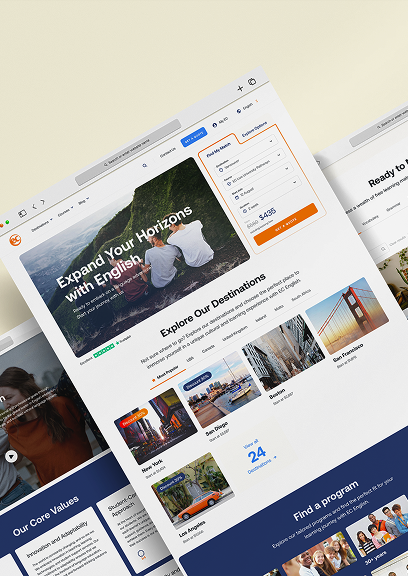

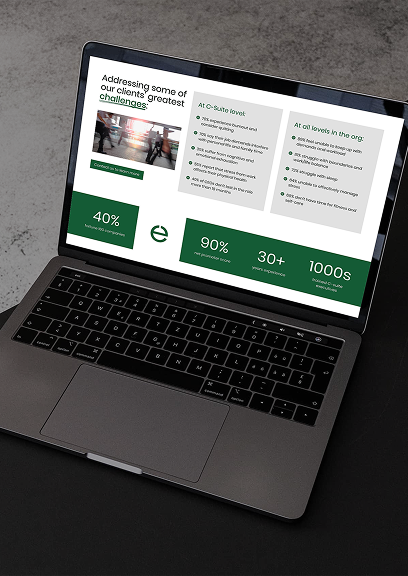
We’ve spent 16+ years building websites for companies across the USA, with 950+ completed projects for California brands in diverse industries.
Our team combines modern design trends with reliable development to deliver custom sites that stand out in California markets, without sacrificing speed, SEO, or conversion performance.
IT Monks develops websites in California using modern web standards and proven UX practices, while adapting structure, design, and functionality to the specific needs of each California business and industry.
All websites we build for California companies follow a mobile-first approach, ensuring seamless performance across smartphones, tablets, and desktops. This improves user engagement, supports modern search ranking factors, and allows visitors to interact with businesses easily on any device.
Our UI system guides visitors through clear interaction paths by structuring pages around user intent and business goals. California companies can increase inquiries, bookings, and qualified lead generation.
Accessibility compliance ensures websites we build for California businesses follow global standards such as WCAG guidelines and ADA requirements. This improves usability, expands audience reach, and reduces legal risks related to accessibility regulations.
SEO-friendly structure strengthens California website visibility through optimized metadata, logical internal linking, and structured content hierarchy. This helps search engines better understand website content and allows California businesses to attract more qualified organic traffic.
Clear navigation structures website content for California businesses, helping users quickly find services, information, and key pages without friction.
An advanced design system helps California brands maintain consistent typography, colors, and UI components across every page of the website.

Our WordPress web design in California includes custom UX design, full-cycle WordPress development, AI optimization, e-commerce development, WordPress migration or redesign, technical SEO setup, and ongoing maintenance and support.
Pricing for WordPress websites in California depends on project scope, functionality, integrations, and technical complexity; our team provides a detailed estimate after reviewing the project requirements.
Yes. Our team configures Google Maps integration, structured location data, local schema markup, and geo-targeted signals that improve visibility in California search results and attract qualified local traffic.
IT Monks provides web design and development in California for industries including manufacturing, healthcare, finance, legal, hospitality, construction, fitness, e-commerce, SaaS, and professional services. However, this list is not exhaustive, and our team delivers WordPress solutions in California to businesses across all industries.
Many California businesses start with a simple website and only think about rebuilding it years later. At first, it works fine. Then traffic grows, the company adds services, and the site begins to feel a bit stretched.
Pages become crowded. Navigation gets confusing. Sometimes the site still looks good but quietly stops producing leads. That’s usually the moment owners start asking whether the website is actually helping the business grow.
A well-built site should guide visitors to useful information. A contact form. A quote request. A product page. If people arrive and leave without doing anything, something in the structure probably isn’t working.
WordPress is still one of the most common platforms businesses in California use for their websites. It’s flexible, widely supported, and easy enough for internal teams to manage once everything is set up properly.
Most projects begin with structure rather than visuals. What pages are actually needed? What questions should the website answer first?
Once that framework exists, the design becomes much easier to shape. The result is usually a site that feels straightforward to navigate and simple to update later.
Some signals are obvious. Pages load slowly. The design feels outdated. The site breaks on mobile screens.
Other signs are quieter.
A business might be getting steady traffic, but very few inquiries. Visitors browse around for a minute or two and then disappear.
Sometimes forms exist, but hardly anyone uses them.
These issues usually point to structural problems rather than just visual ones.
A business website shouldn’t require a developer every time a page needs updating. That’s why many builds rely on reusable page templates. Service pages follow a consistent layout. Landing pages share the same structure. Teams can edit content without worrying about breaking the design.
It keeps the site organized and makes future updates much easier. Over time, that flexibility becomes more important than the original design itself.



Most projects move through a fairly clear sequence.
First comes planning. What the business offers, who the website should attract, and what actions visitors should take.
Then the design begins. Page layouts take shape, and navigation becomes clearer.
Development follows, where those layouts are turned into a working WordPress site. After that comes testing. Different devices, different browsers, small details that can easily get missed if nobody checks them carefully.
Only once everything behaves as expected does the site go live.
Accessibility is something many older websites have overlooked. Modern builds try to avoid that problem. Text contrast, keyboard navigation, readable layouts, and screen-reader compatibility all play a role.
Some improvements are small, almost invisible. But together they make the site usable for a wider group of visitors.
For businesses that serve broad audiences across California, that matters more than people sometimes realize.
Service businesses often struggle with website structure. They might offer several services across multiple cities, but the website explains everything on a single page. Visitors have to dig through paragraphs to figure out whether the company actually serves their area.
A clearer structure usually works better. Separate service pages. Location-specific content where it makes sense. Straightforward explanations instead of long blocks of text.
It doesn’t have to be complicated. It just needs to help people quickly understand what the business offers and how to get in touch.

 ChatGPT
  Claude
  Grok
Grok  Gemini