Explore our specialized services, tailored solutions, and industry expertise to elevate your digital presence. From custom WordPress development to seamless integrations, we build high-performing websites that deliver impact.
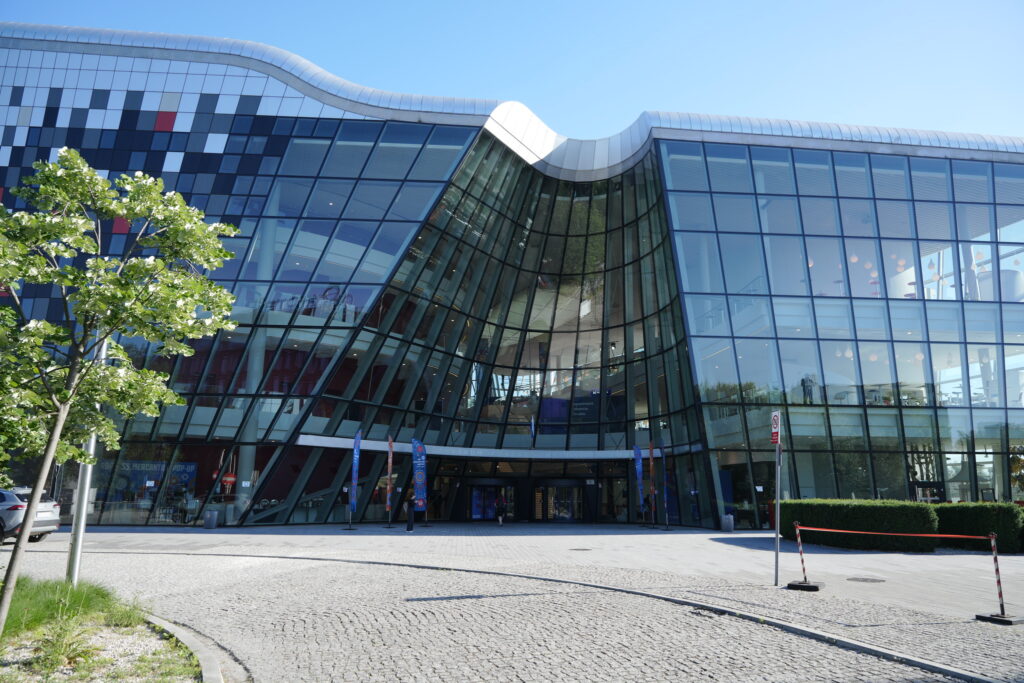
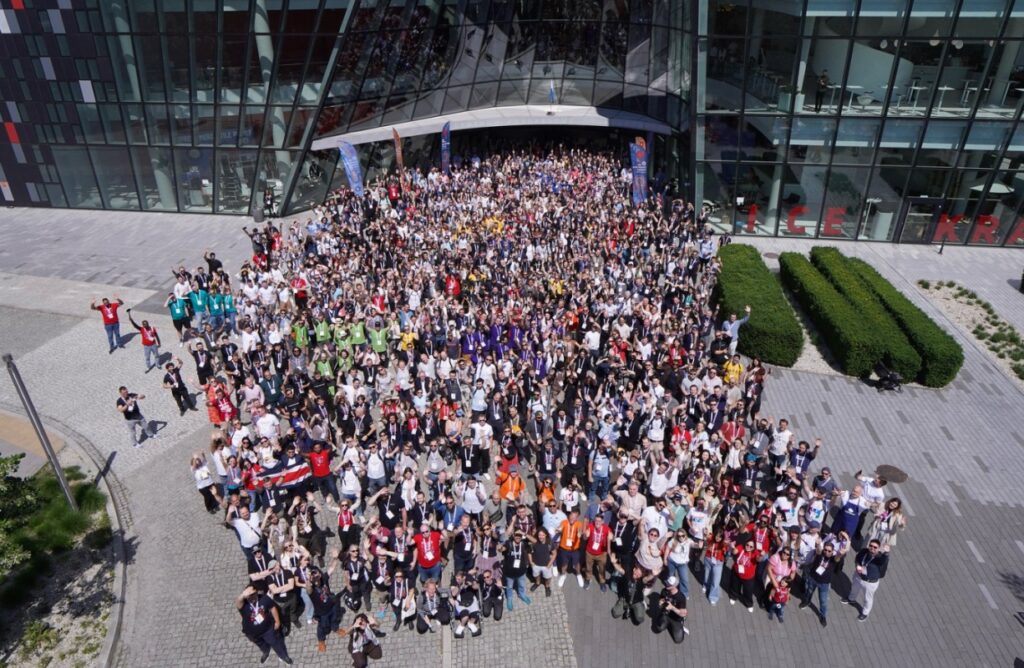
This year, the event came to Kraków, the city where IT Monks is headquartered and where most of our team works every day. Having one of the world’s biggest WordPress events take place in our hometown felt pretty surreal.
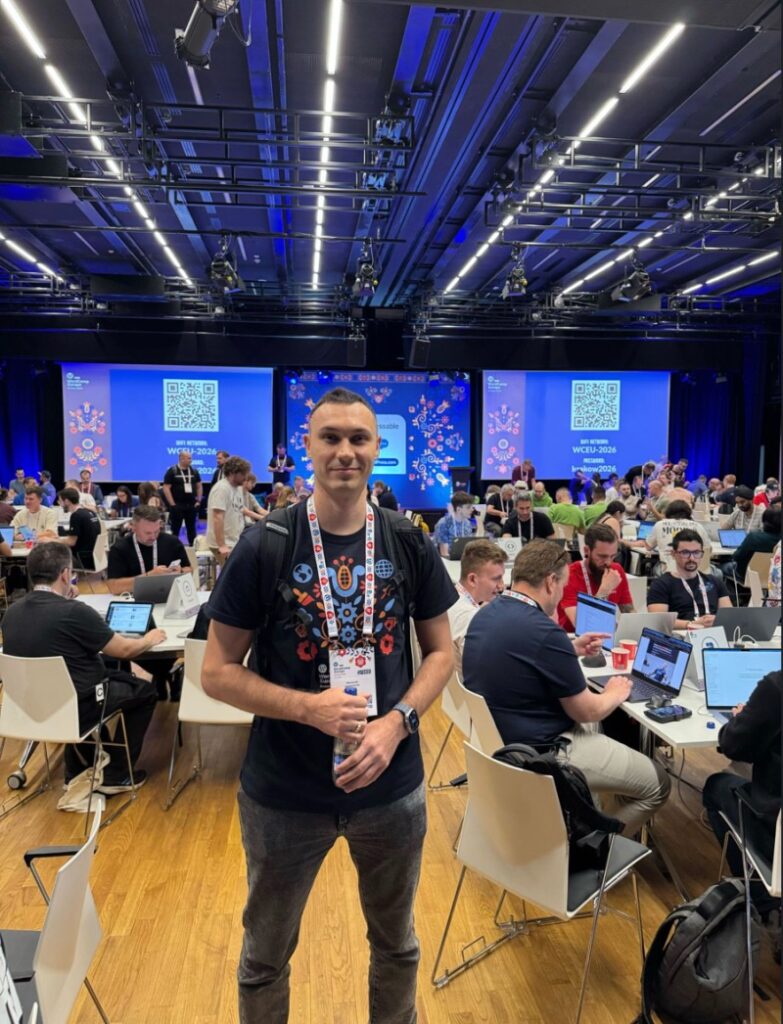
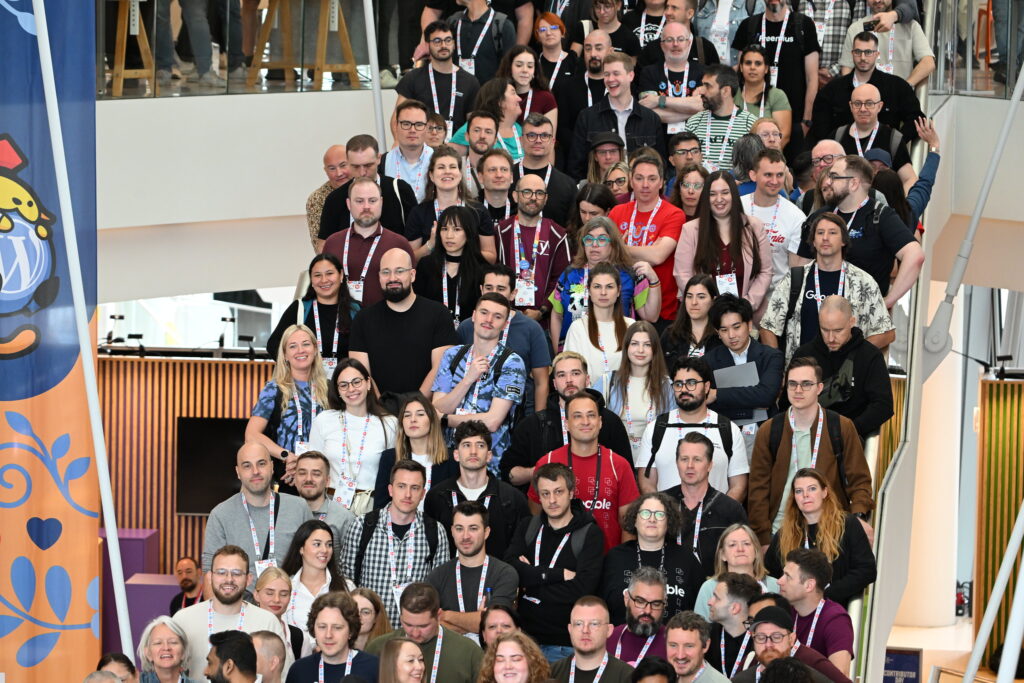
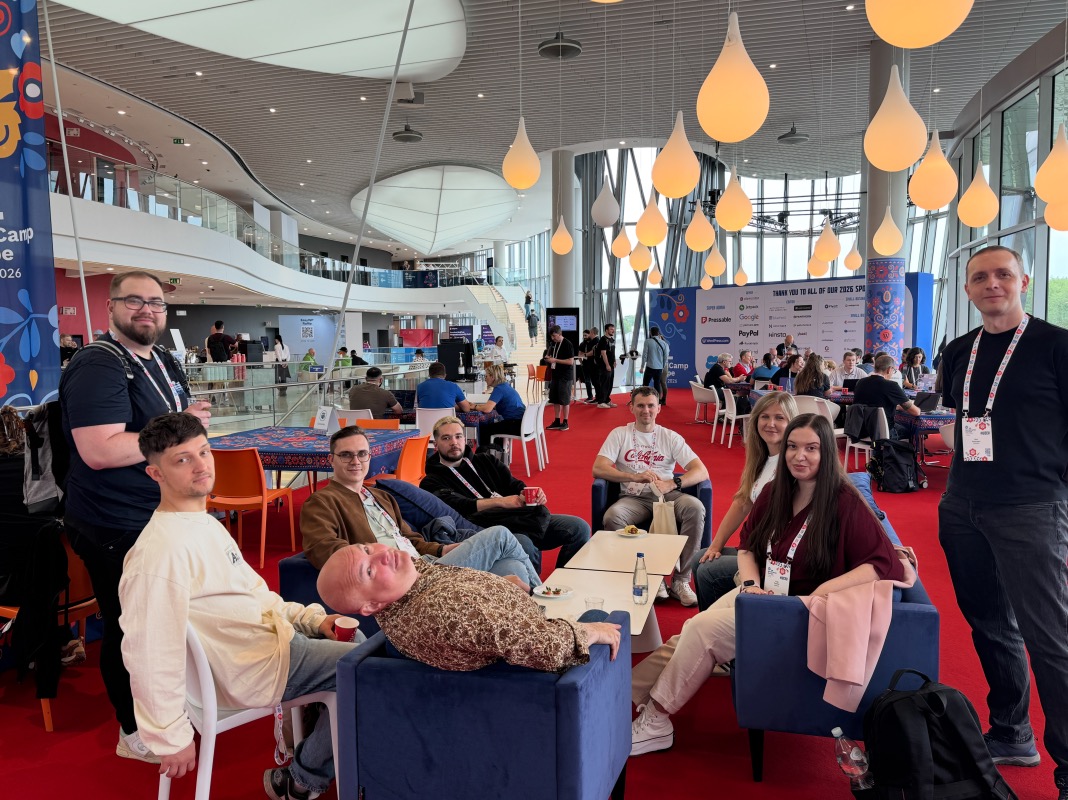
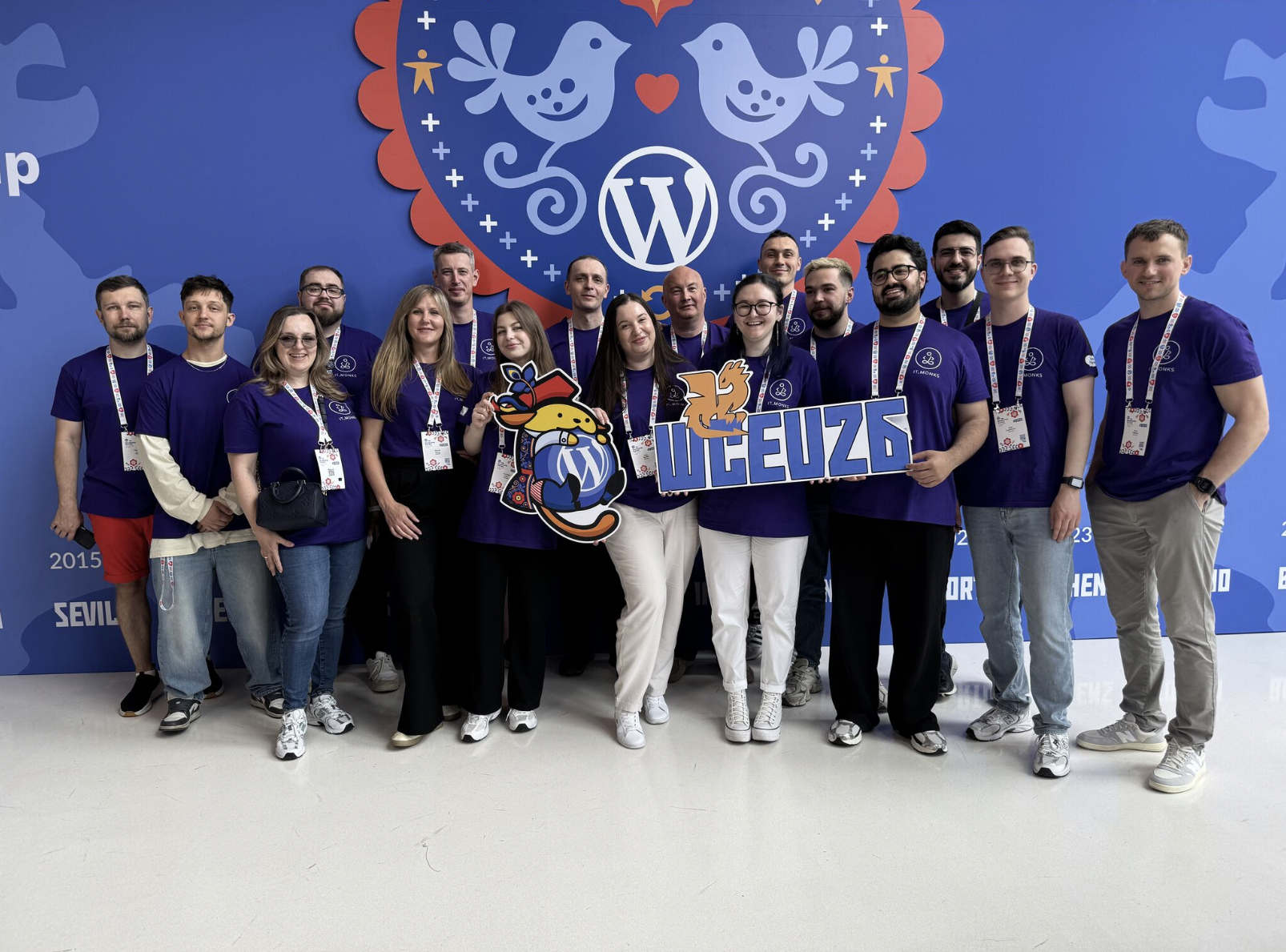
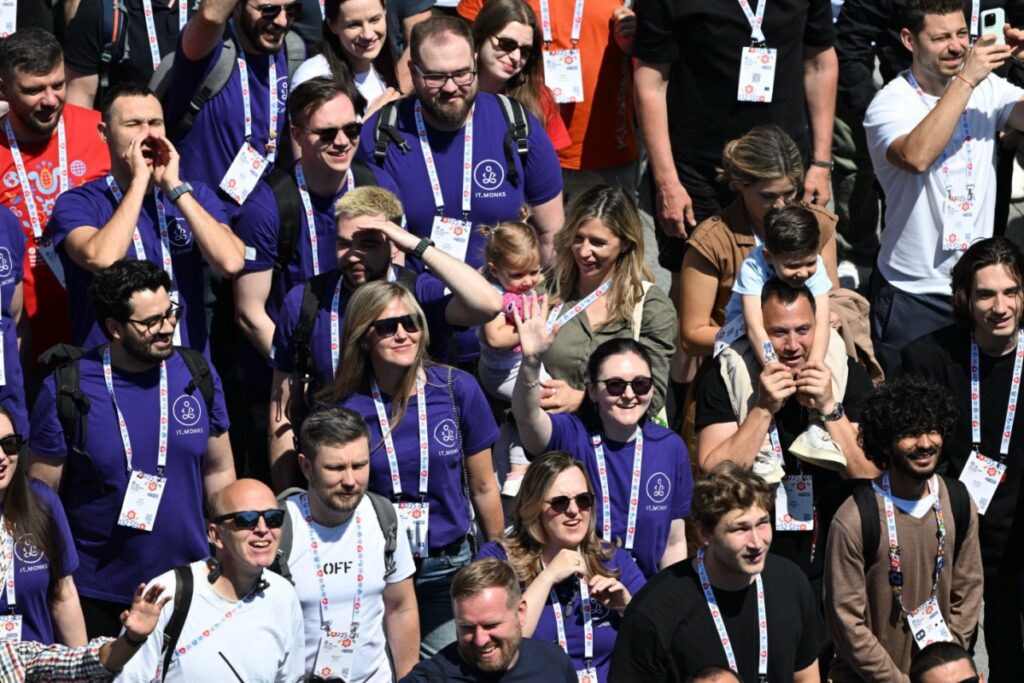
It was also our biggest WordCamp yet. Nearly 60% of the IT Monks team attended, including developers and QA engineers, as well as designers, operations, and leadership. We joined Contributor Day, attended sessions, met partners, caught up with old friends, and had countless conversations with people from across the WordPress community.
AI was everywhere, of course. But interestingly, most discussions weren’t about AI tools themselves. The bigger topic was how AI is changing search, content discovery, marketing, and the way businesses build visibility online.
After a few busy days, a lot of notes, and more coffee than we’d like to admit, we came back with plenty of ideas worth sharing.
A Home-City WordCamp for IT Monks
We’ve attended WordCamps before, but this one felt different from the start.
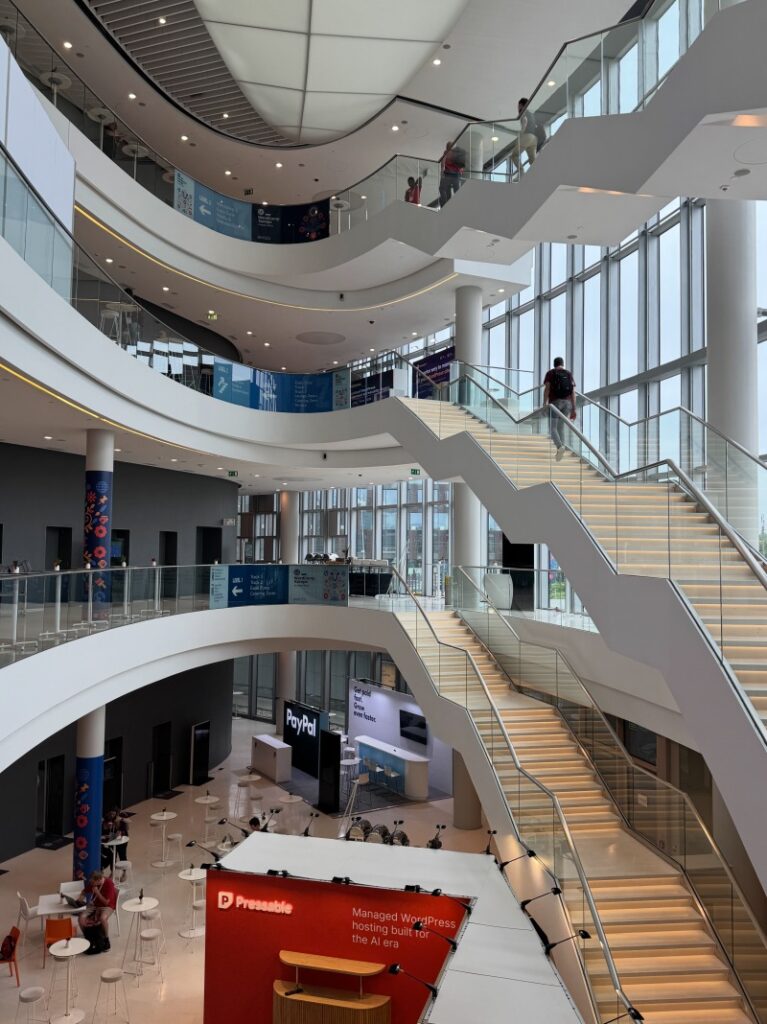
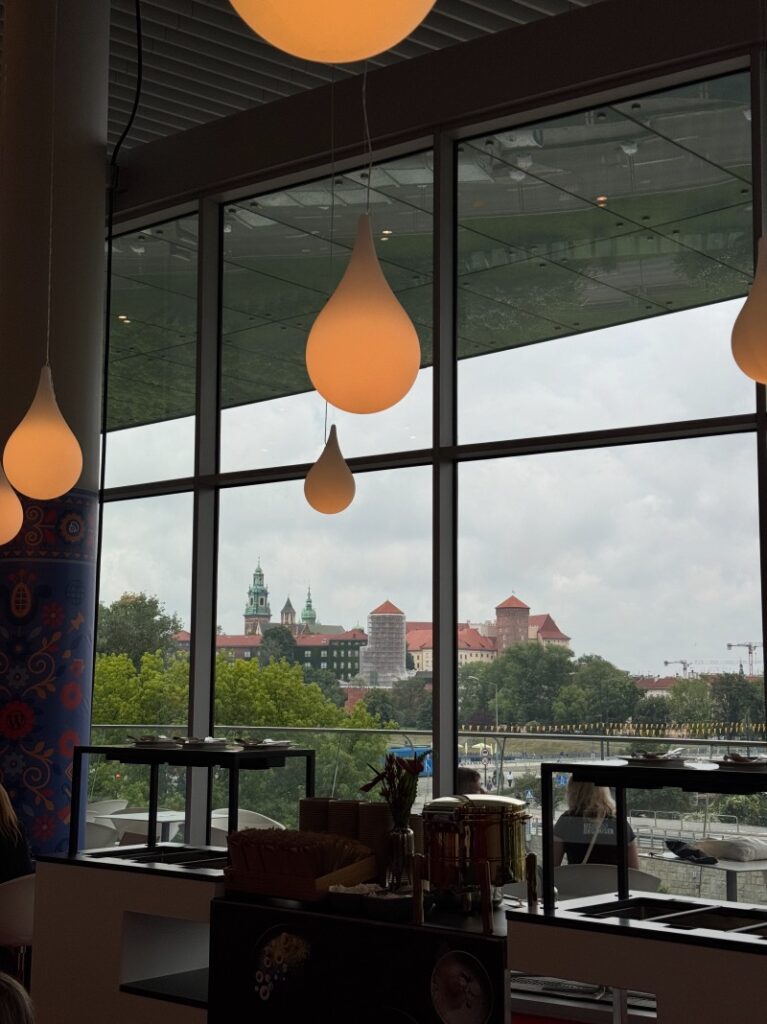
Having WordCamp Europe come to Kraków meant many of us could experience the event in our own city while welcoming thousands of WordPress professionals from around the world. It also gave us the chance to bring together the largest IT Monks group we’ve ever had at a WordCamp.
The week started with Contributor Day, where members of our team joined contributors working on different WordPress initiatives and projects. It’s always a good reminder that WordPress remains a community-driven platform built by people who genuinely care about improving it.
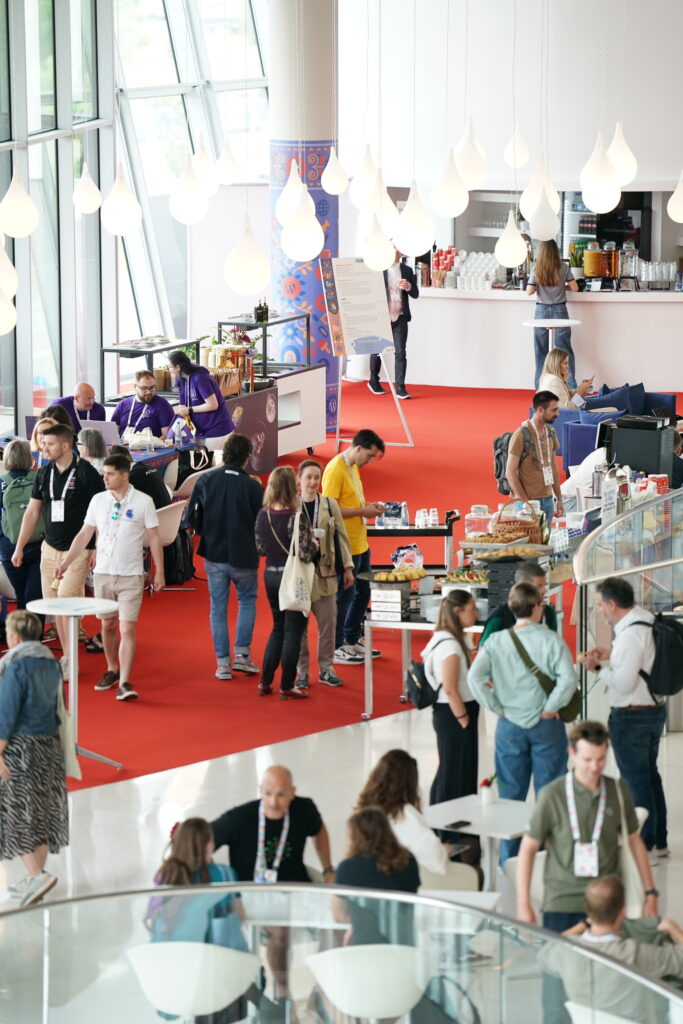
Over the following days, we connected with clients, partners, agencies, hosting companies, plugin developers, and fellow contributors. Some conversations were about business, some were about technical challenges, and some simply started with “What are you working on these days?”
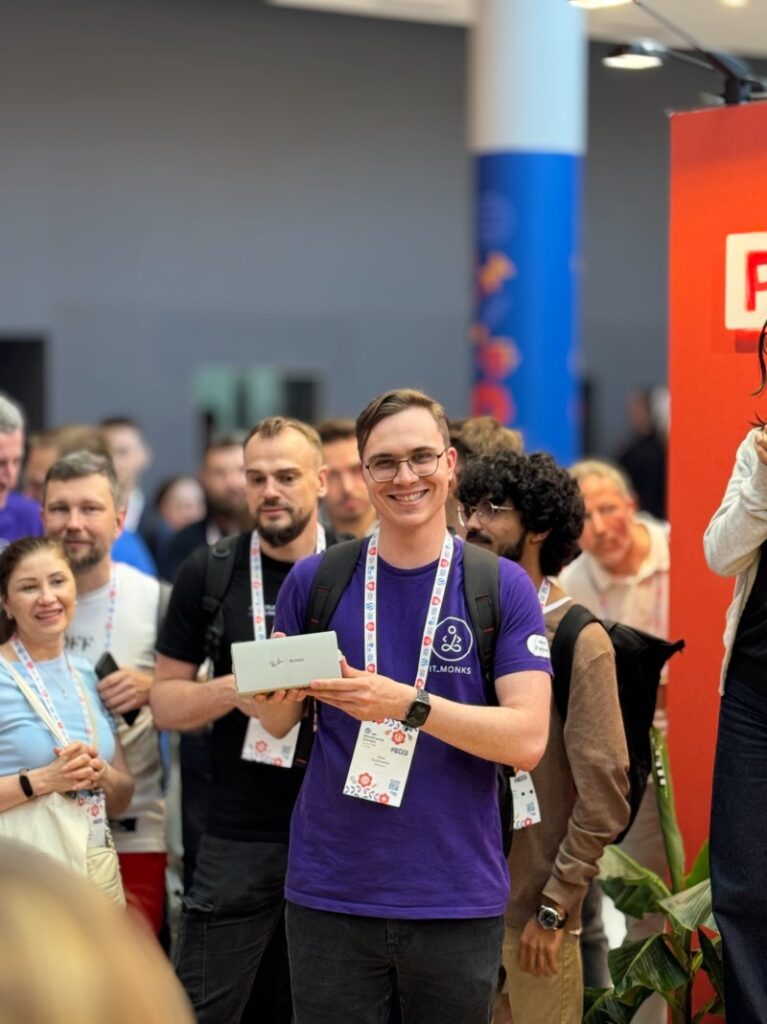
WordCamp also brought a few unexpected moments. During the event, Dima Osmichenko, Head of Operations at IT Monks, won a pair of Meta Glasses in a giveaway hosted by Pressable. Needless to say, that became one of the most talked-about moments within our team for the rest of the conference.
That sense of community is still one of the biggest reasons people keep coming back to WordCamp. The sessions are valuable, but many of the most interesting discussions happen between talks, over coffee, or while exploring the sponsor area with people who share the same passion for WordPress.
AI Was Everywhere, But Not in the Way Many Expected
Going into WordCamp Europe, we expected to hear a lot about AI in development workflows, coding assistants, and WordPress-specific AI tools.
There was some of that, but not nearly as much as we anticipated.
Most AI-related conversations were happening on the business side. Speakers and attendees were focused on how AI is changing marketing, SEO, content strategy, discoverability, and the way companies position themselves online. The discussion has clearly moved beyond “How do we use AI?” and toward “How do we stay visible in a world where AI increasingly decides what people see?”
That shift came up repeatedly throughout the event, whether in formal sessions or casual conversations between talks.
The Search Landscape Is Changing
One theme appeared almost everywhere: the traditional search journey no longer exists as it did a few years ago.
People don’t just open Google, type a query, and click a result. They might watch a TikTok video, browse a Reddit thread, ask ChatGPT for recommendations, compare answers in Gemini or Perplexity, and only then visit a company’s website.
As a result, ranking well in Google is no longer the whole game. Businesses need to be present wherever potential customers look for information. Visibility now depends on a much broader digital footprint, and many speakers argued that this trend is only accelerating.
For agencies and businesses alike, that was probably one of the clearest messages from this year’s event.
GEO, Citations, and the New Rules of Discoverability
One of the sessions that sparked a lot of discussion afterward came from Emma Young, Head of Organic Marketing at Hostinger.
The numbers she shared help explain why so many conversations at WordCamp eventually found their way back to AI search and discoverability. According to the data presented, 65% of Gen Z use TikTok as a search engine, while 55% of Millennials rely on TikTok search. At the same time, ChatGPT is now handling more than 2 billion requests every day.
The takeaway wasn’t that Google is disappearing. Far from it. What is changing is how people gather information before making a decision. A single search journey can now include videos, Reddit discussions, AI assistants, review sites, and traditional search results, all before someone visits a company website.
That shift is forcing businesses to rethink what visibility actually means.
Why Citations Matter More Than Ever
A recurring topic throughout the conference was the growing importance of citations.
Backlinks still matter, and nobody suggested otherwise. But many speakers pointed out that being mentioned by trusted sources is becoming increasingly valuable, especially as AI platforms pull information from multiple places when generating answers.
During a conversation with members of the Hostinger team, we discussed our own niche and some of the challenges that come with relatively low search volumes. Their advice was straightforward: if a category matters to your business, aim to become the most visible and authoritative source within it, regardless of how large the search volume appears today.
The reasoning makes sense. Search engines and AI systems are both trying to identify who consistently demonstrates expertise on a topic. The stronger and more consistent that signal becomes across websites, publications, communities, and industry resources, the easier it is for both humans and machines to associate a brand with that subject.
One message kept resurfacing throughout the event: businesses should stop focusing solely on rankings and start prioritizing recognition. The brands that get cited, referenced, and talked about are often the ones that end up being recommended.
Google’s Message Remains Surprisingly Simple
One of the more interesting conversations we had during the event happened at the Google booth.
With so much discussion around AI, GEO, citations, and the future of search, it would be easy to assume that discoverability has become incredibly complicated. Yet the message we heard was surprisingly straightforward.
Create content for people.
Not for algorithms. Not for search engines. Not for AI crawlers.
For people.
Several conversations touched on how modern search systems and large language models are getting better at understanding context, intent, and expertise. The focus is gradually shifting away from keyword tricks and toward genuinely useful information that answers real questions.
That perspective was reinforced in a discussion about large language model search engines and how they evaluate content. The consensus was that if a piece of content contains valuable information, demonstrates expertise, and solves a real problem, search systems are becoming increasingly capable of connecting it with the right audience.
It’s not a revolutionary idea. In fact, it’s probably one of the oldest pieces of SEO advice around. But after hearing countless conversations about AI-generated content and changing search behavior throughout the conference, it was refreshing to see that the fundamental principle remains largely unchanged.
Good information still has a place. The challenge is making sure it’s worth finding.
Content Is Still Far From Dead
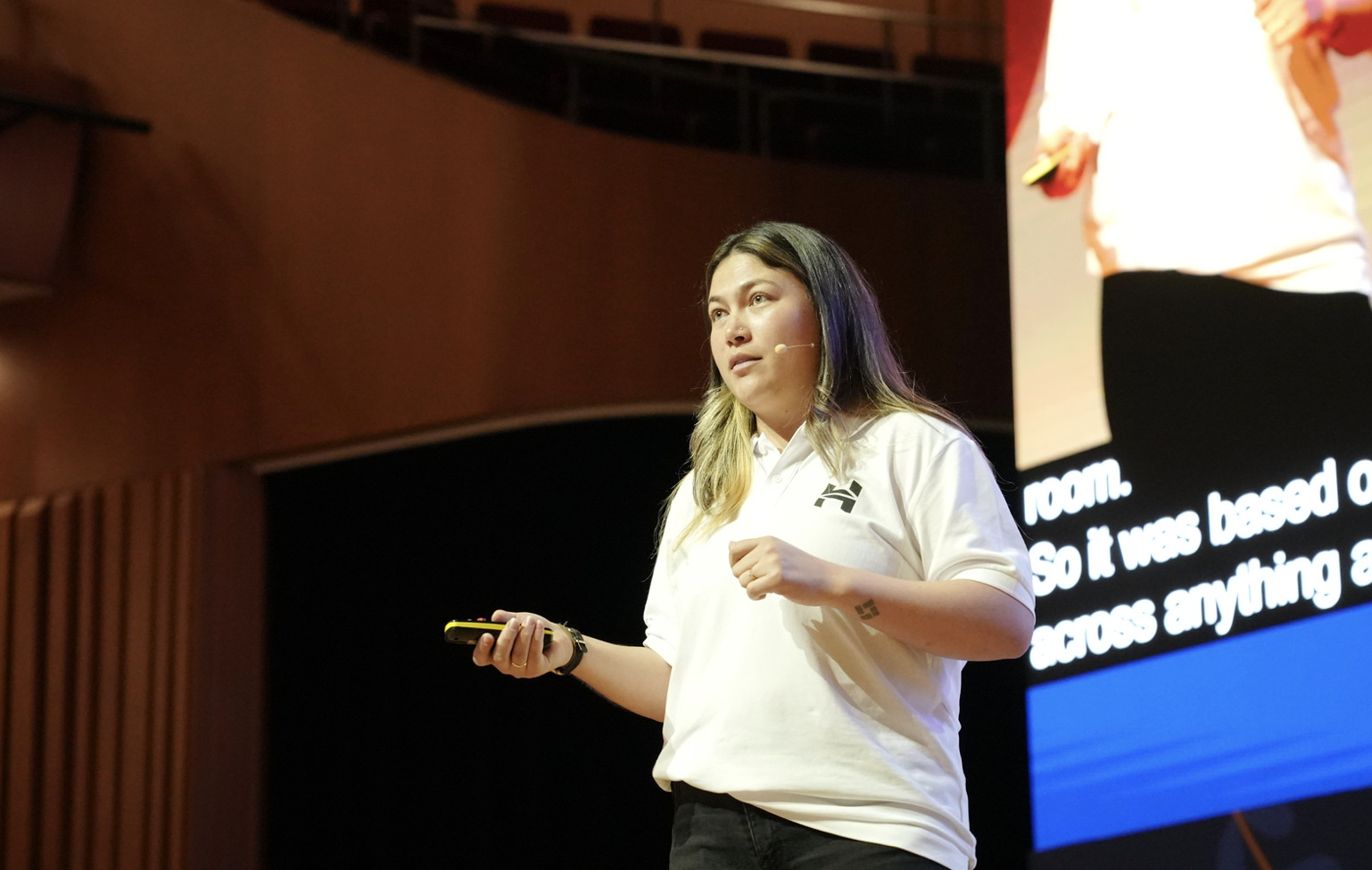
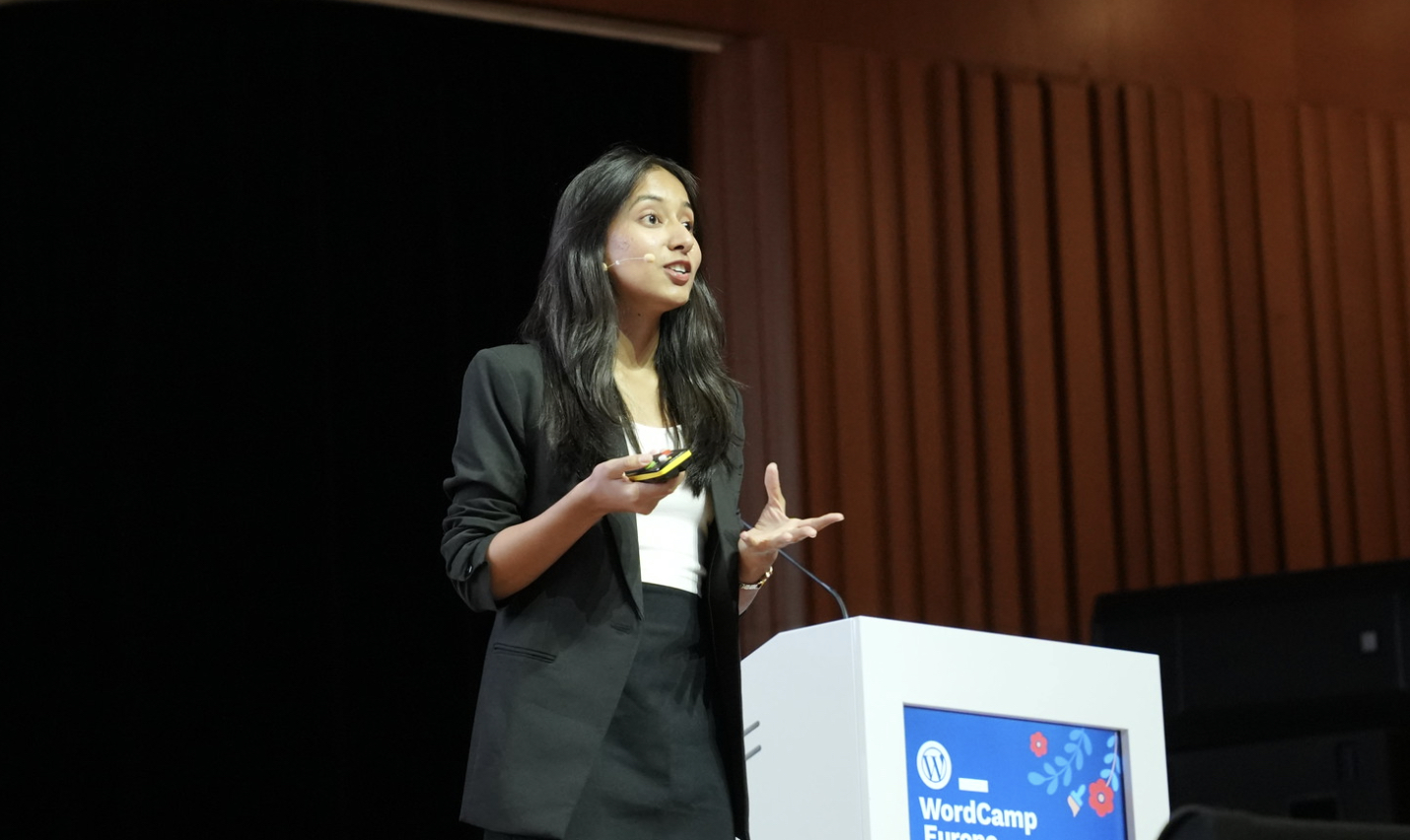
One presentation that stood out was “Why Writing Still Matters in a Video-First Internet” by Pooja Sanwal.
The speaker made a simple but convincing point. Video is often where discovery happens. People watch short clips on TikTok, YouTube, LinkedIn, or Instagram when they’re first learning about a topic. It’s fast, easy to consume, and perfect for attracting attention.
But when someone gets closer to making a decision, the behavior changes.
They start comparing options. They look for details. They search for answers to specific questions. They want proof, examples, pricing information, technical documentation, or real-world experience. That’s where written content still plays a major role.
In other words, video performs well at the top of the funnel, while written content often supports the bottom of the funnel, where actual business decisions are made.
Why Businesses Should Not Abandon Written Content
This was particularly interesting given how much attention AI-generated video and short-form content receive right now.
Several speakers argued that businesses shouldn’t rush to replace their content strategies with video-only approaches. People still read before they buy, especially when the purchase involves a meaningful investment, a complex service, or a long-term partnership.
There’s another reason written content remains important. AI systems themselves rely heavily on text to understand topics, identify expertise, and generate recommendations. A company can publish hundreds of videos, but if it lacks strong written resources, it becomes much harder for both users and AI platforms to understand what the business actually knows.
Well-written service pages, case studies, documentation, research, and opinion pieces continue to serve an important purpose. They help potential customers make informed decisions and provide the context search engines and AI systems need to evaluate expertise.
If there was one takeaway from this session, it was that content is not disappearing. It’s simply finding a new place within a much broader discovery journey.
AI Won’t Replace Marketing Teams
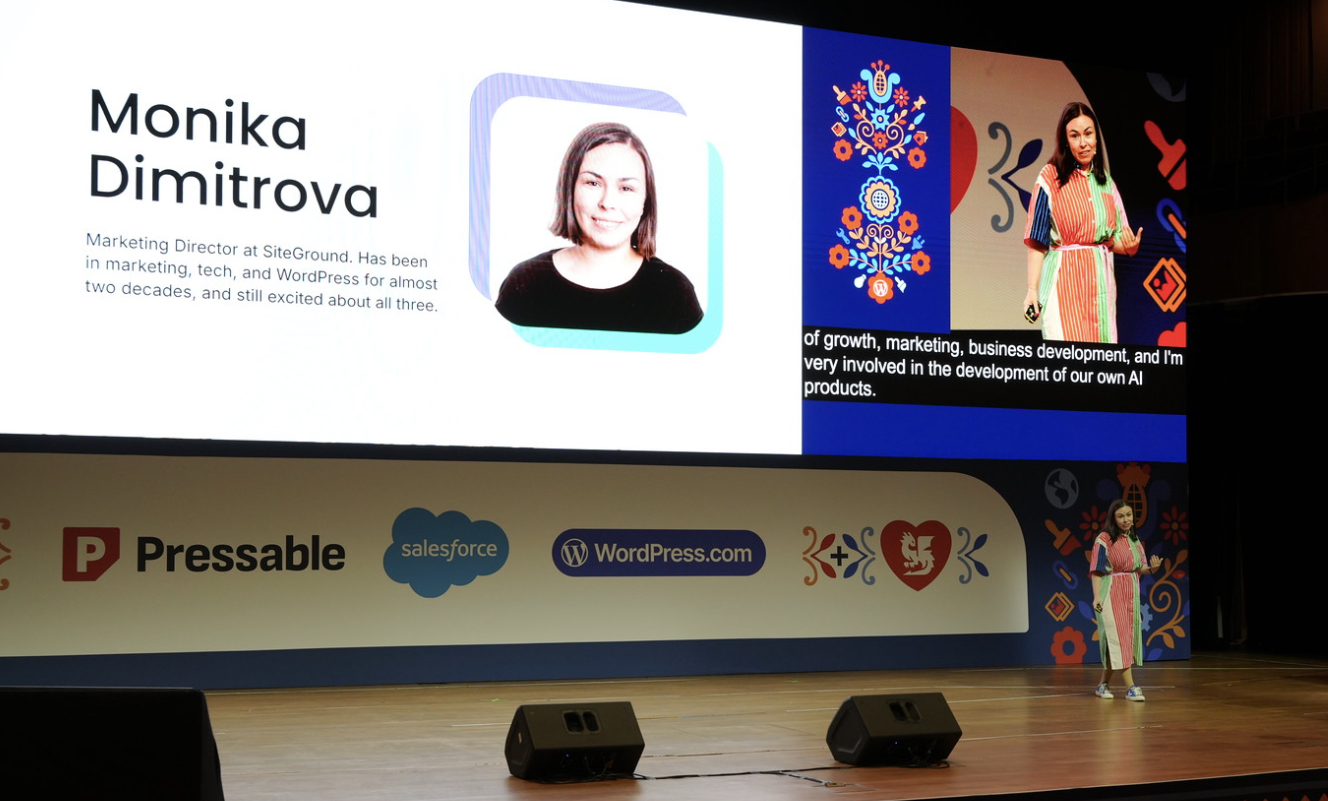
One of the more practical sessions we attended was “AI Won’t Save Your Marketing, but It Might Save Your Time and Money” by Monika Dimitrova. The speaker used an example that many people in the room could relate to.
She described reviewing job applications and noticing that many AI-generated CVs looked almost identical. The wording was polished, the structure was correct, but after reading a few of them, everything started blending together.
The same thing is happening in marketing.
AI can help draft content, summarize information, generate ideas, and speed up repetitive tasks. It can save teams a significant amount of time. But when everyone uses the same tools in the same way, the result often feels generic.
One point that resonated with us was that AI usually focuses on completing the task it was given. A human expert brings something different. They can question the task itself. Sometimes the right answer is not “how do we do this faster?” but “should we be doing this at all?”
WordPress for Enterprise Continues to Grow
Outside the sessions, we spent a lot of time speaking with agencies, hosting providers, technology partners, and companies working with larger organizations.
One thing became clear fairly quickly: WordPress continues to perform well across the small and mid-sized business market, but enterprise adoption is growing just as fast.
Many of the conversations were no longer about whether WordPress can support enterprise requirements. Instead, they focused on governance, workflow management, integrations, security, scalability, and large-team collaboration across multiple regions and departments.
WordPress 7.0 was another frequent topic. People were particularly interested in the continued evolution of collaborative editing and how content teams can work more efficiently inside the platform without relying on external tools for every stage of the publishing process.
The ongoing discussion between the WordPress project and WP Engine inevitably came up as well. While opinions differed, it was clear that most businesses remain focused on practical questions: building reliable digital platforms, improving workflows, and preparing for the next stage of growth.
If anything, WordCamp reinforced our impression that WordPress is continuing to mature. The ecosystem is still serving freelancers and small businesses, but it’s also attracting organizations with increasingly complex requirements and larger digital operations.
The Biggest Takeaway from WordCamp Europe 2026
If we had to summarize the event in a single sentence, it would probably be this: consistency matters more than ever.
That message appeared in different forms throughout the conference. It came up in discussions about SEO, GEO, AI search, content marketing, branding, and even product strategy.
Businesses can no longer afford to tell one story on their website, another on social media, and a completely different one through their content or community presence. Search engines, AI systems, and potential customers are all evaluating information from multiple sources at once.
The strongest brands are usually the ones delivering the same clear message everywhere they appear.
Visibility Is No Longer a Single-Channel Game
The way people search for information has become much more fragmented.
A potential customer might discover a company through a video, read a discussion on Reddit, ask ChatGPT for recommendations, compare options through Google, and only then visit a website. Every touchpoint contributes to the final decision.
Because of that, discoverability is no longer tied to a single platform or channel. Organizations that consistently demonstrate expertise wherever their audience spends time will be in a much stronger position than those focusing on only one source of traffic.
Conclusion
For IT Monks, WordCamp Europe 2026 will be memorable for many reasons. It brought the WordPress community to our hometown, allowed us to attend with the largest team we’ve ever brought to a WordCamp, and gave us the opportunity to reconnect with people from across the ecosystem.
A huge thank you goes to the contributors, organizers, speakers, sponsors, partners, volunteers, and attendees who made the event possible.
The WordPress community continues to evolve alongside changes in technology, search, and digital marketing. Yet after several days of conversations, presentations, and debates, one thing still feels true: technology will keep changing, but expertise, trust, and genuinely useful information remain the things people are ultimately looking for.
We’ll see you at the WordCamp Europe 2027 in Málaga!




 ChatGPT
  Claude
  Grok
Grok  Gemini