Blog

WP Development

Build powerful, high-performing WordPress websites with expert coding tips, custom development techniques, and best practices. Learn how to extend WordPress functionality like a pro.

WP Development

WordPress Post Templates: What They Are and How to Create One

When you publish a blog post in WordPress, a template determines how that post appears to every visitor; its structure, element placement, and visual design. Most site owners never touch the template, yet it shapes every piece of content they publish. A WordPress post template controls the space between your written content and the layout […]
WP Development

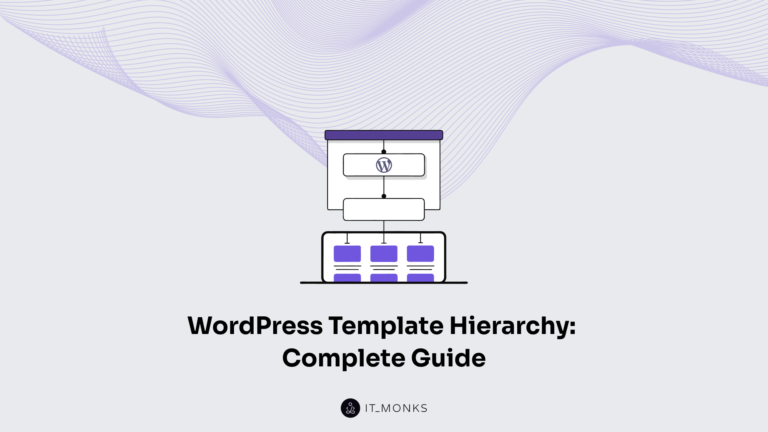
WordPress Template Hierarchy: Complete Guide

Every URL within a WordPress website ultimately maps to a particular template file. WordPress uses a predefined sequence, known as the template hierarchy, when searching for the template file. This process determines what appears in your posts, archives, searches, and even 404 errors. When viewing any webpage, WordPress searches its list of templates from the […]

WP Development

WordPress Block Templates: What They Are and How to Use Them

WordPress block templates are part of the block editor workflow, used to keep content structured and consistent as new posts, pages, or post types are created. Once you start working on anything beyond a small website, maintaining that consistency becomes harder. Different authors format things their own way, skip sections, and let layouts drift. Block […]

WP Development

WordPress Administrator: Role, Capabilities, and Management

The WordPress Administrator role controls every aspect of a single-site WordPress installation. Content publishing, plugin management, theme configuration, user accounts, and core updates all fall within its scope.  This article breaks down what the Administrator role includes, how to add or remove Administrator accounts, and how the role compares to Editor and Super Admin. It […]

WP Development

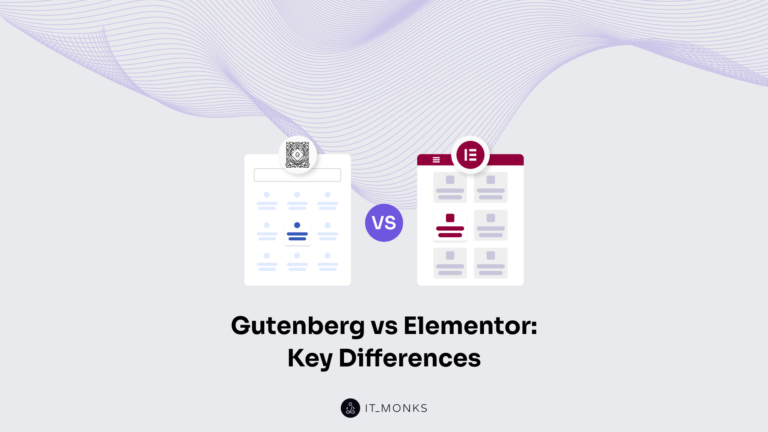
Gutenberg vs Elementor: Key Differences

Gutenberg is included by default in WordPress since version 5.0, released in December 2018. Elementor is a third-party page builder plugin that has over 13 million active installations. The major architectural difference is that the choice between the block editor and the page builder will dictate how a WordPress site is built, maintained, and scaled. […]

WP Development

What Is a WordPress Theme: Guide for Developers

A WordPress theme is a collection of template files, stylesheets, scripts, and configuration files that control how a WordPress site renders content in the browser. The theme separates presentation from content: WordPress stores posts, pages, and media in its database, while the theme determines how that data maps to HTML output on the front end. […]

WP Development

WordPress Query Loop: What It Is and How to Use

The Query Loop block is a WordPress core block,  introduced in version 5.8, that retrieves and displays dynamic post content based on configurable query parameters. It operates within the Site Editor and the Block Editor, replacing the need for manual PHP loop customization in block themes. The block queries the WordPress database, iterates through matching […]

WP Development

WordPress Global Styles: Complete Guide

WordPress Global Styles controls how an entire WordPress site looks – from typography and color palettes to layout structure and block-level spacing. This styling system operates through a configuration layer tied directly to theme.json, the file that defines shared design rules across block themes. Rather than editing each template or block individually, Global Styles centralizes […]

WP Development

WordPress Gutenberg: Complete Guide to the Block Editor

WordPress Gutenberg is the editing subsystem on which the current version of the WordPress system is built. It offers a block-based interface for content creation, layout, and site building in a unified way. The block editor has integrated all the content components, including text, images, videos, embeds, and buttons, into one interface where the blocks […]